 United States site instead?
Project Showcase
BIM Innovation Driving Smarter,
Sustainable Brownfield Regeneration
airc.digital, United Kingdom
Goodhall Street Development, London, UK @ airc.digital
Summary
Airc.digital used innovative BIM to design and deliver a residential-led mixed-use development providing 38 new homes.
Working in parallel on RIBA stage 3 and RIBA stage 4, the team created a single Archicad model, simultaneously modeling two levels of design development to produce the necessary documentation for both planning and construction.
Archicad and BIMx were instrumental in helping the team to perfect the design, manage a complicated workflow and communicate with multiple stakeholders.
The completed development is an example of BIM innovation and a collective and collaborative effort between all members of the project team.
The Practice
Innovative BIM
Established in 2020, airc.digital is a design and BIM practice working internationally, using Archicad, BIMx and BIMcloud as its main BIM authoring and collaboration platforms.
A diverse group of architects, BIM specialists, engineers and designers, the team brings multi-consultancy to the next level with continuous BIM innovation, integrating all design disciplines within one authoring tool, Archicad.
The multi-disciplinary team has delivered projects worldwide, from residential new builds and listed building conversions, through to city-wide masterplans.

Project: Goodhall Street Development
Project Location: London, United Kingdom
Firm: airc.digital
Project Type: Residential
Project Size: 2,935 sqm / 31,592 sqft
Year of Completion: 2023
Software used: Graphisoft Archicad, Graphisoft BIMcloud, Graphisoft BIMx, BIMcollab, Maxon Cinerender, Revit Structure, Revit MEP, Vectorworks, SketchUp, Autocad, Vertex BD

Archicad and BIMx were essential to show how the new design would work […] There were a few critical moments when we were working with multiple concurrent changes, but Archicad’s workflow helped us to manage that, effectively turning the model into the ‘single source of truth’ for the build.
Pierre Saunal, co-founder of airc.digital
Designing Complexity with Archicad
Register here to watch our on-demand webinar and discover how airc.digital drives BIM innovation with Archicad and OPEN BIM to deliver complex projects worldwide.
The Project
Regeneration for the Local Community
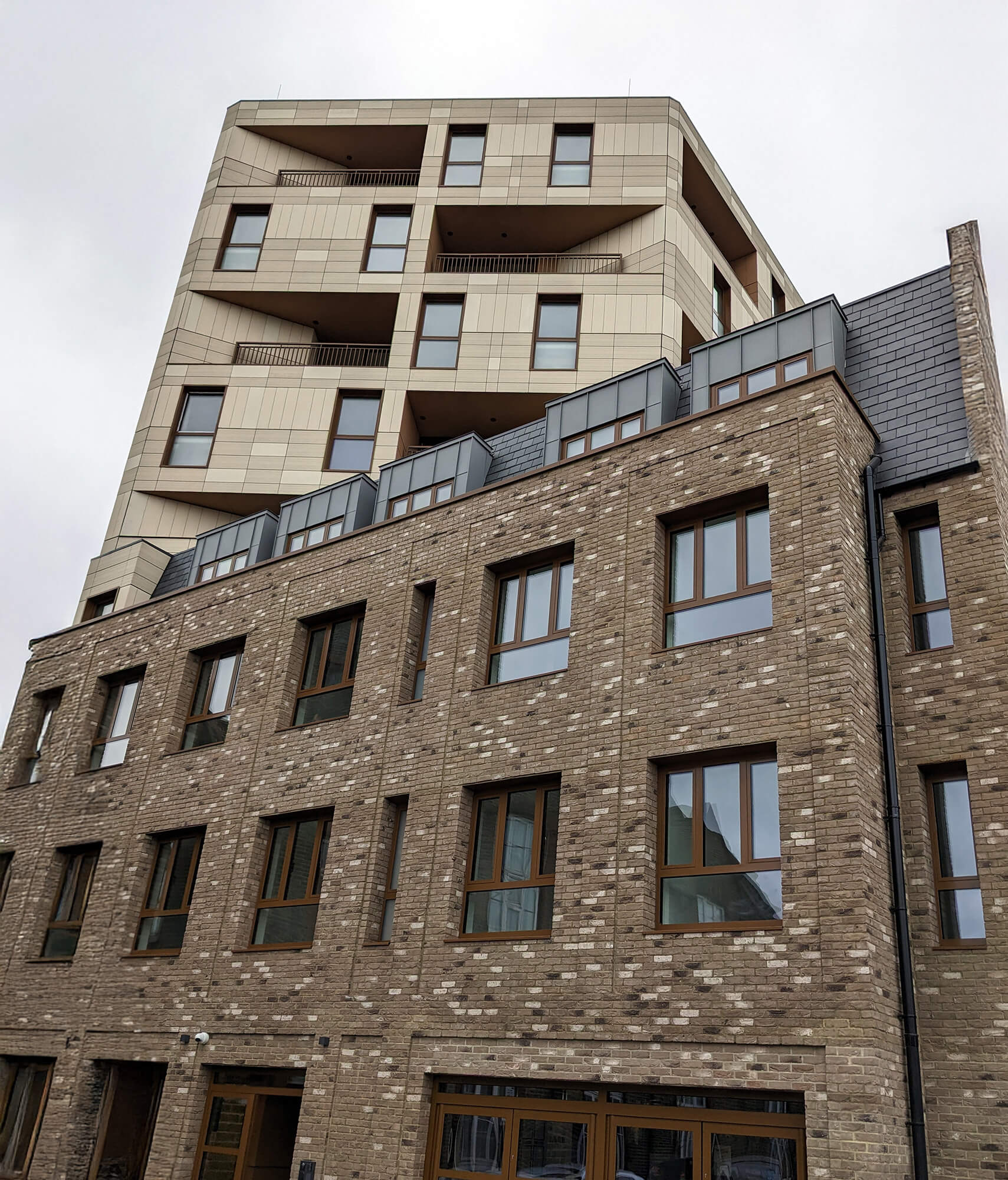
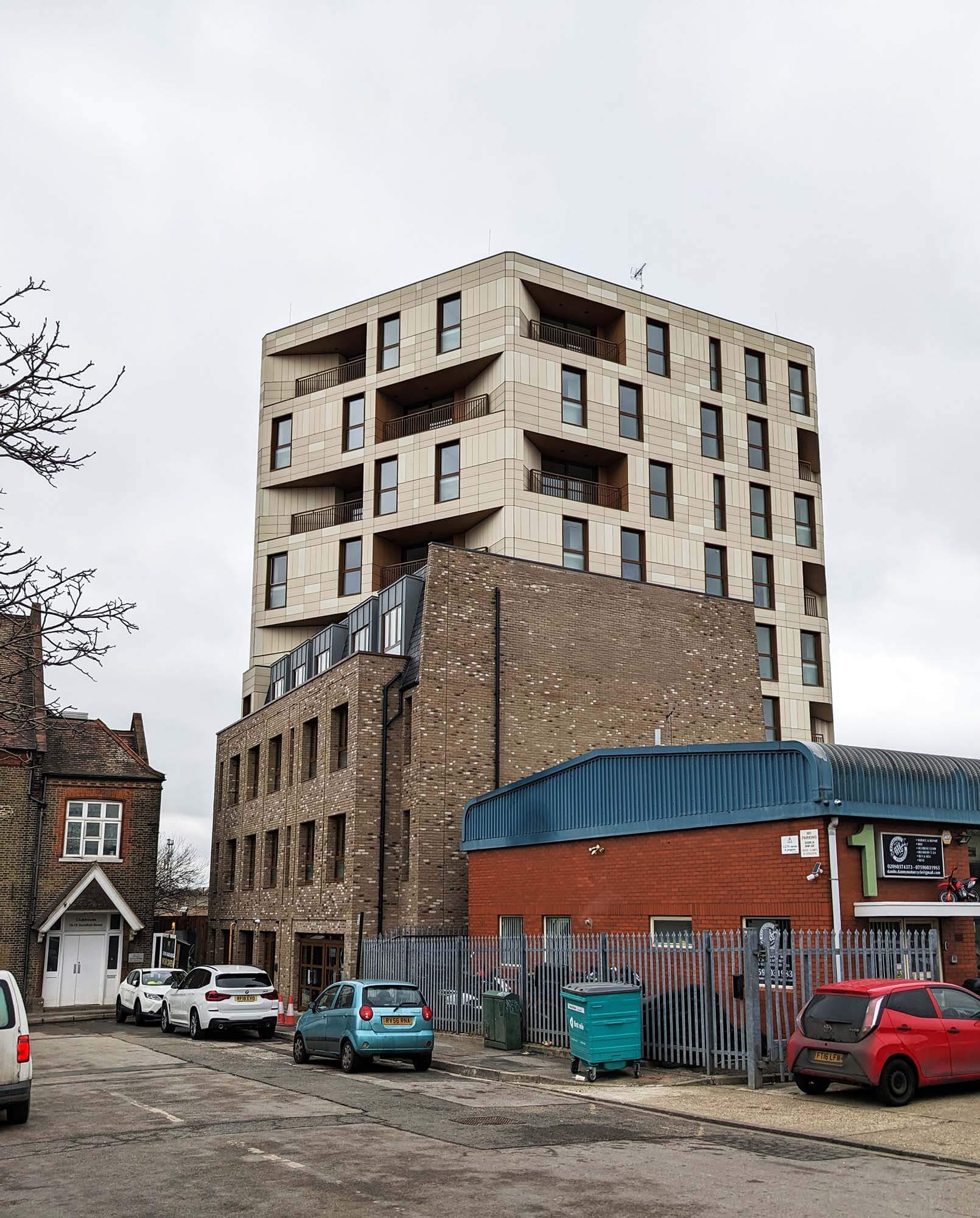
Located in London’s Park Royal, 80 Goodhall Street is a residential-led mixed-use development providing 38 new homes.
Constructed on the site of an old warehouse, the nine-story development features a mix of one, two and three-bedroom apartments, with a community center located on the ground floor. The apartments provide a combination of social rented, shared ownership and private tenures.
airc.digital began working on the project in January 2021, taking the original designs by another studio through to RIBA Stages 3, 4 and 5, covering spatial coordination, technical design, manufacturing and construction. The team created an Archicad BIM model based on the DWGs provided by the previous design team.
Graphisoft Learn’s self-paced, online course will teach you how to handle DWG and Point Cloud references in Archicad.
Design Challenge
Achieving Planning Permission
To meet current building regulations, airc.digital needed to make significant amendments to the original design while retaining the same number and mix of dwellings.
For example, the proposed lift shafts were expanded to allow for larger, fully accessible lifts. This change meant that airc.digital needed to increase the building’s footprint, and completely redesign and reorganize the internal layout of the flats while maintaining the already consented external appearance of the building.
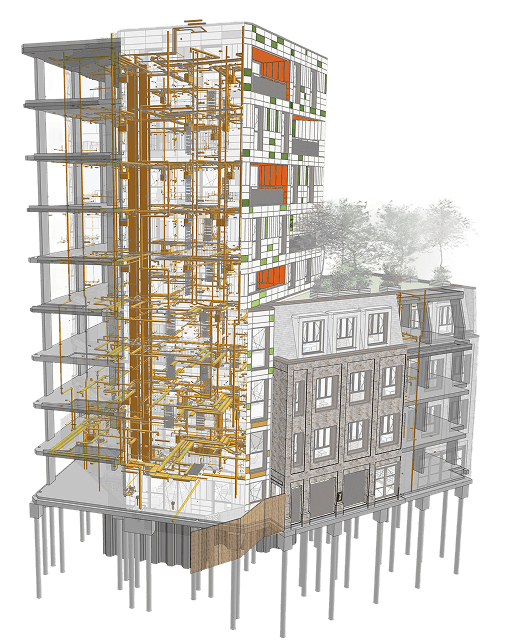
To make the necessary changes and still meet the construction schedule, airc.digital used an innovative BIM process to work in parallel on RIBA stage 3 and RIBA stage 4. The team worked in a single Archicad model, simultaneously modeling two levels of design development to produce the necessary documentation for both planning and construction.
Meanwhile, airc.digital worked closely with the contractor to develop the technical package in Archicad, saving further time. The team also modeled the structure, the MEP and the landscaping directly into Archicad.
Goodhall Street Development © airc.digital
With the help of Archicad, we were able to show and explain the reasons for our proposed amendments to the design immediately, which helped to secure buy-in from the client, contractor, design team and local authority. Moreover, Archicad was instrumental in enabling us to secure the second planning consent and ensure that construction still started on time.
Pierre Saunal, co-founder of airc.digital
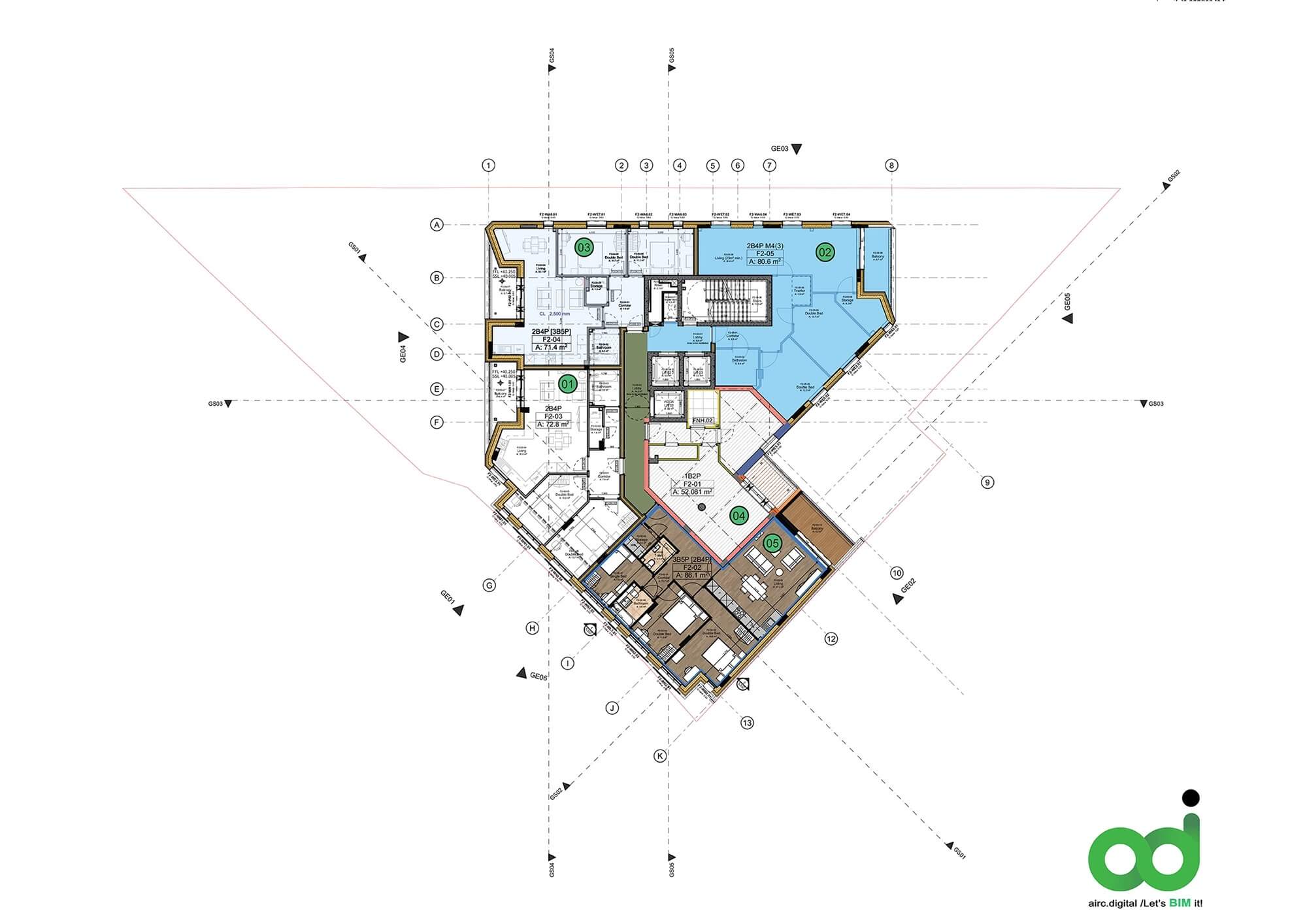
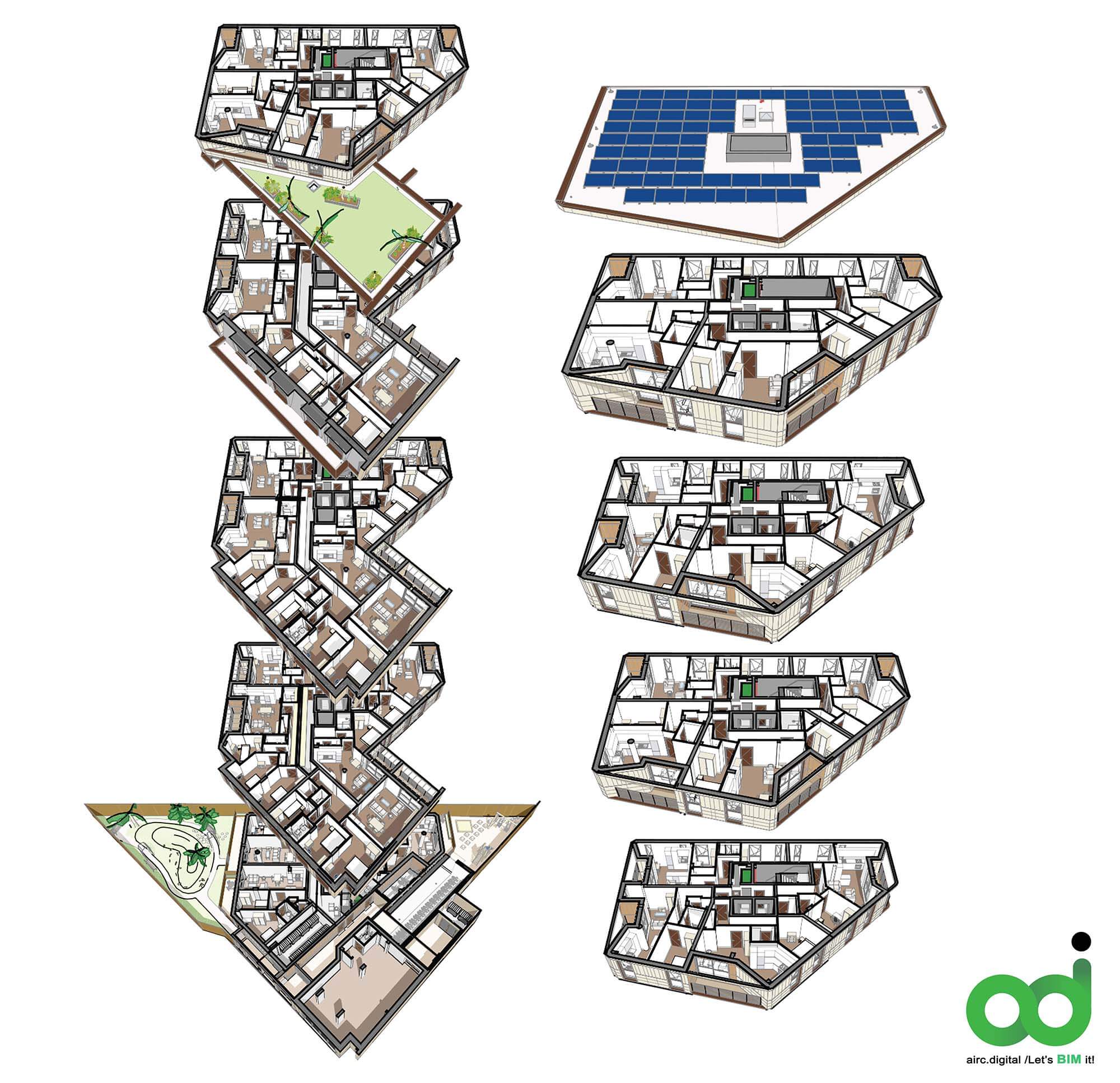
Archicad’s Graphic Overrides were used to show either GA plans (01), tenure (02), finished ceilings (03), finished floors (04) or sales plans (05) © airc.digital
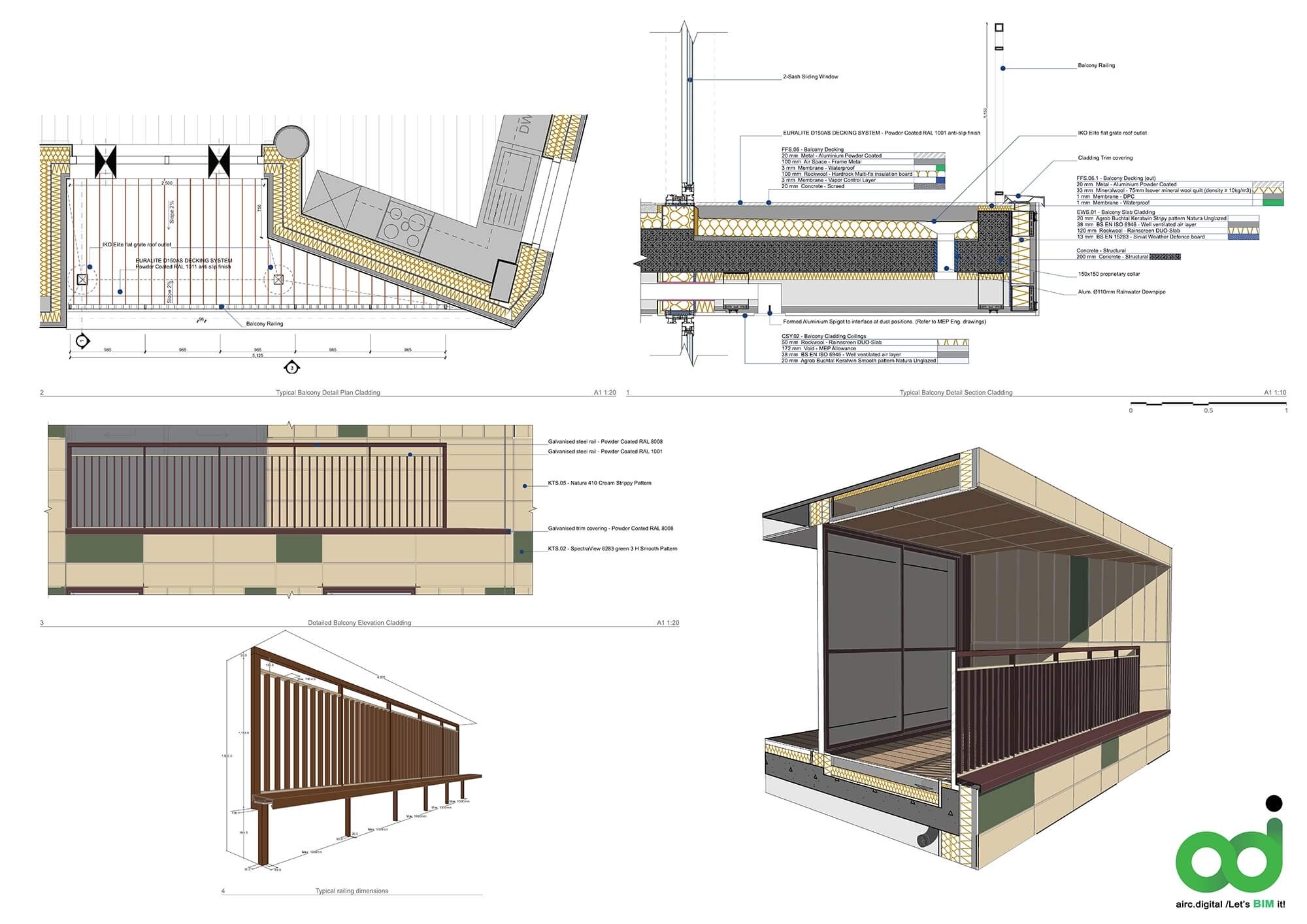
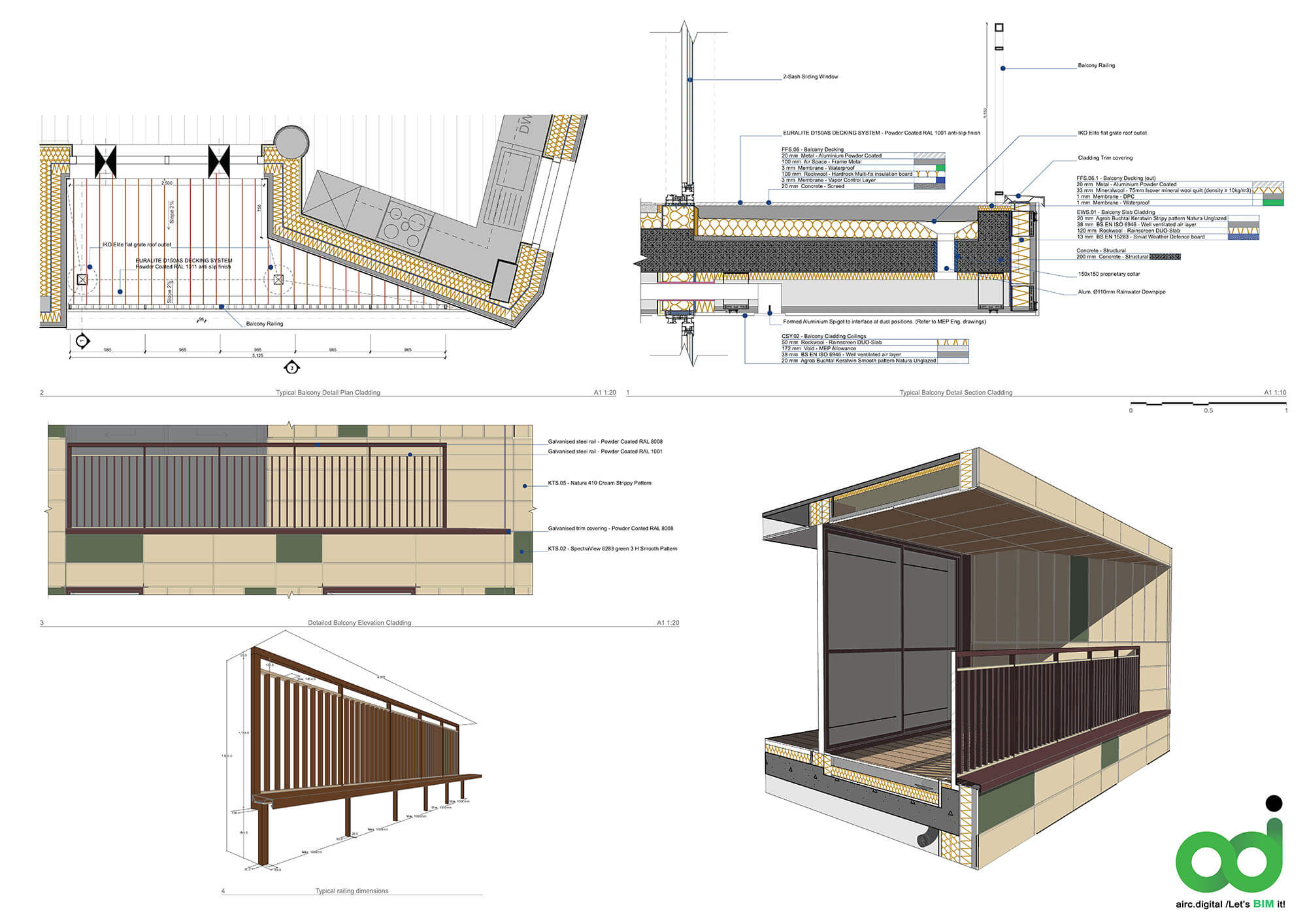
All technical details are designed and modeled in 3D © airc.digital
Discover how Archicad supports creative design thinking and collaboration while boosting productivity.
Explore the Gallery
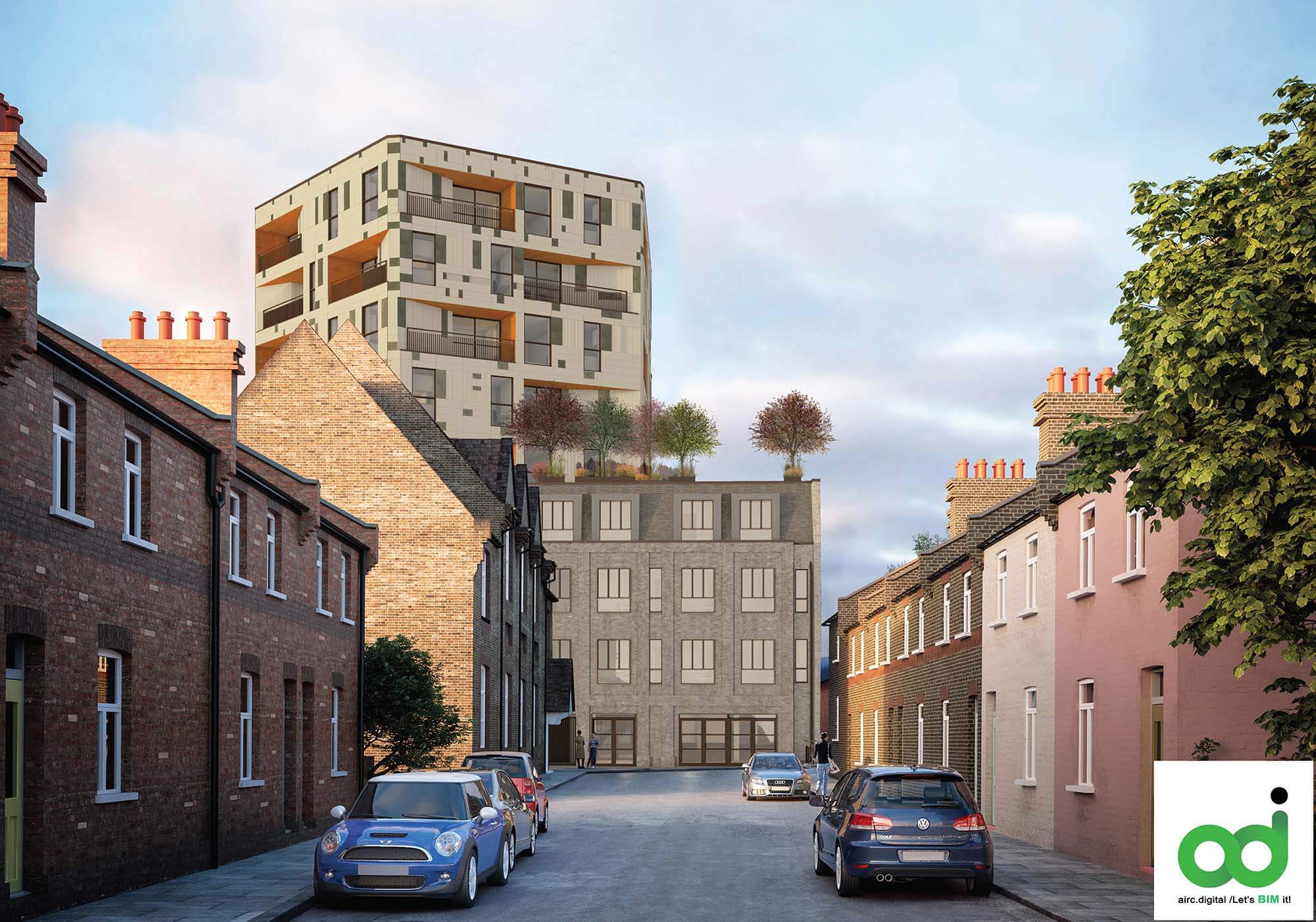
Goodhall Street Development © airc.digital
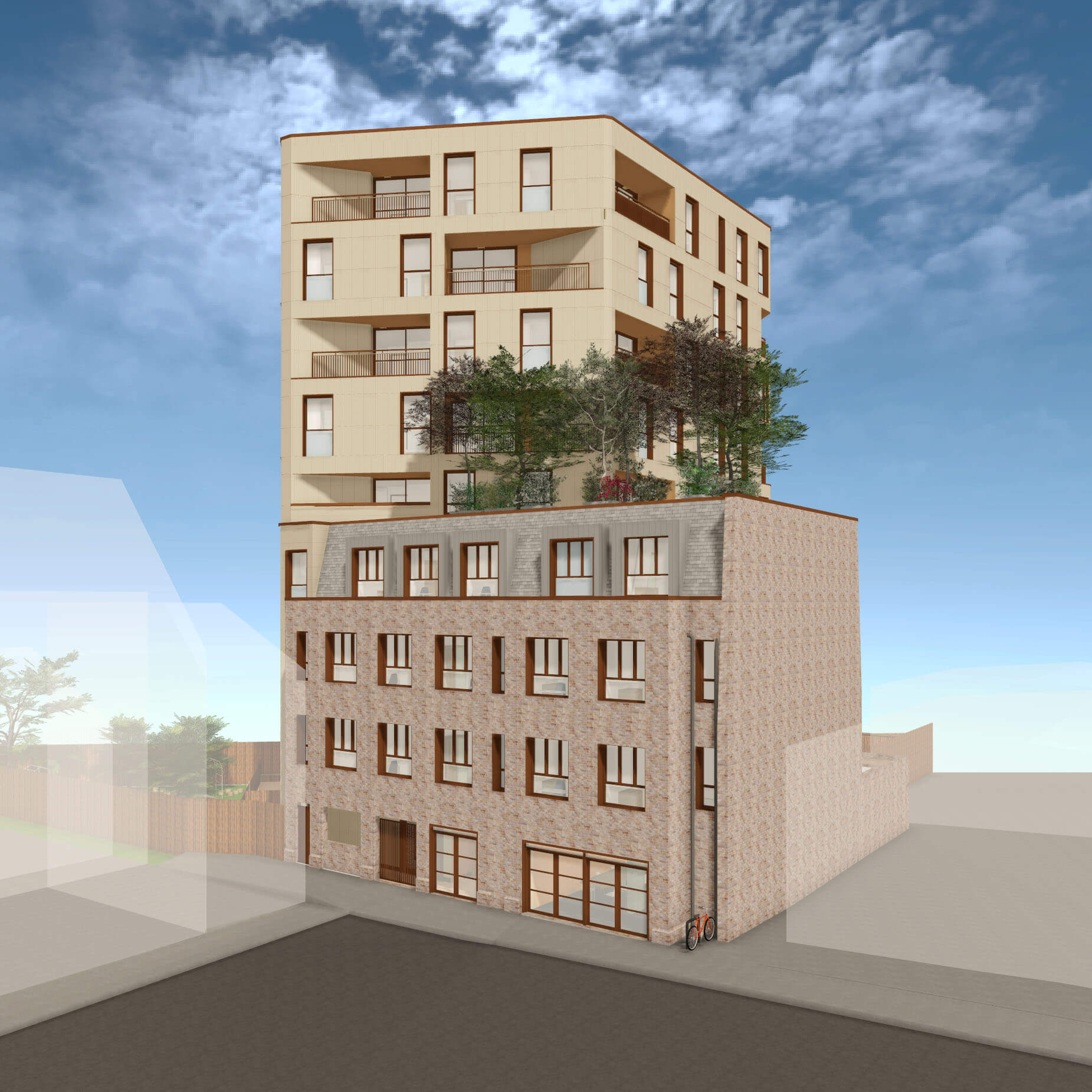
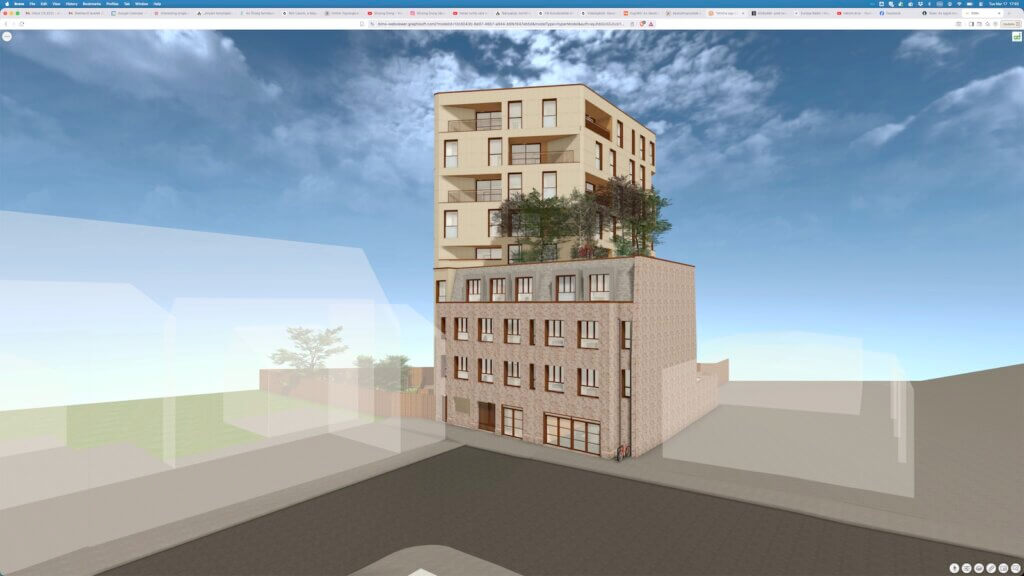
Goodhall Street Development architectural model shown in Graphisoft BIMx, © airc.digital
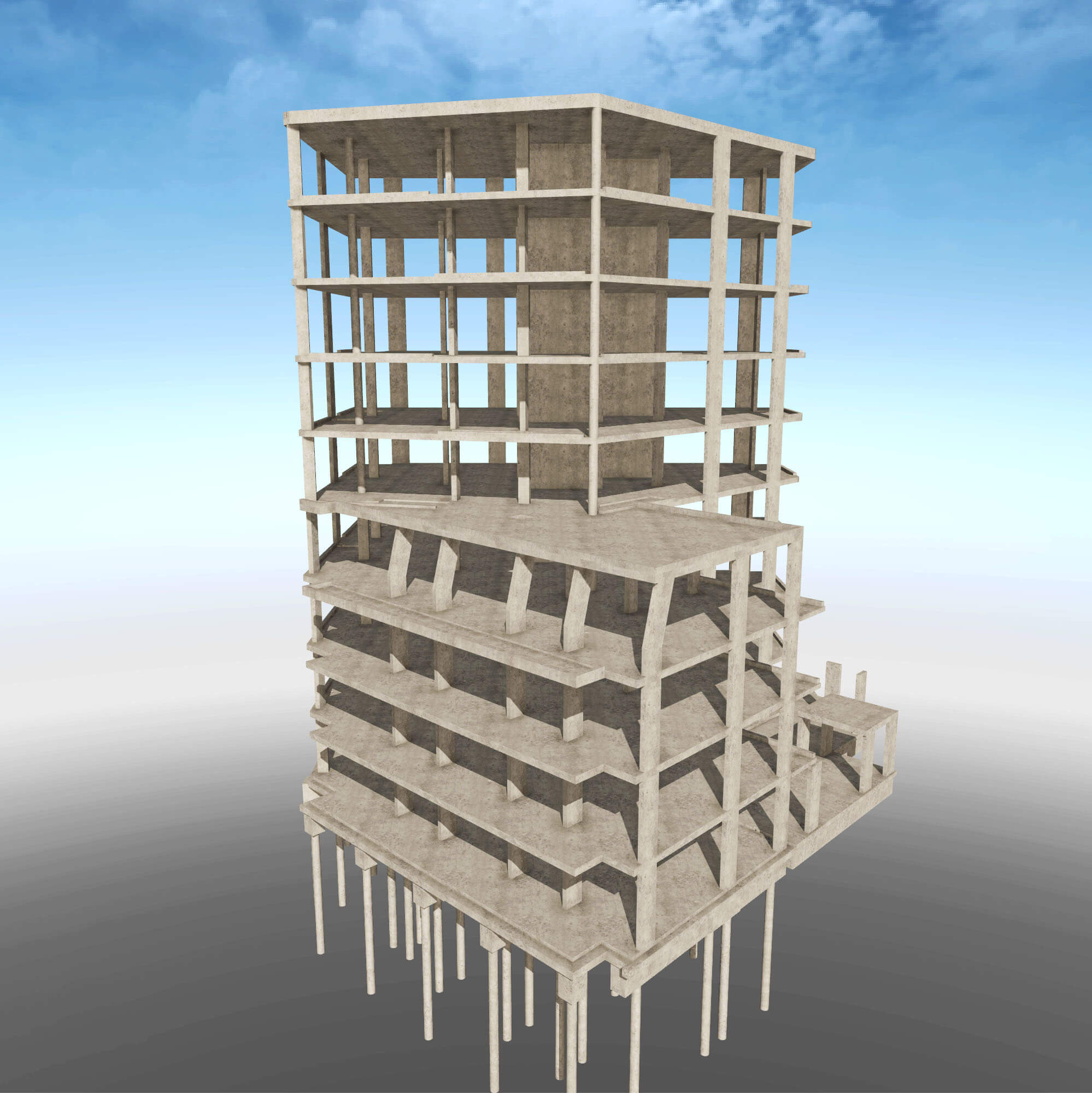
Goodhall Street Development structural model shown in Graphisoft BIMx © airc.digital
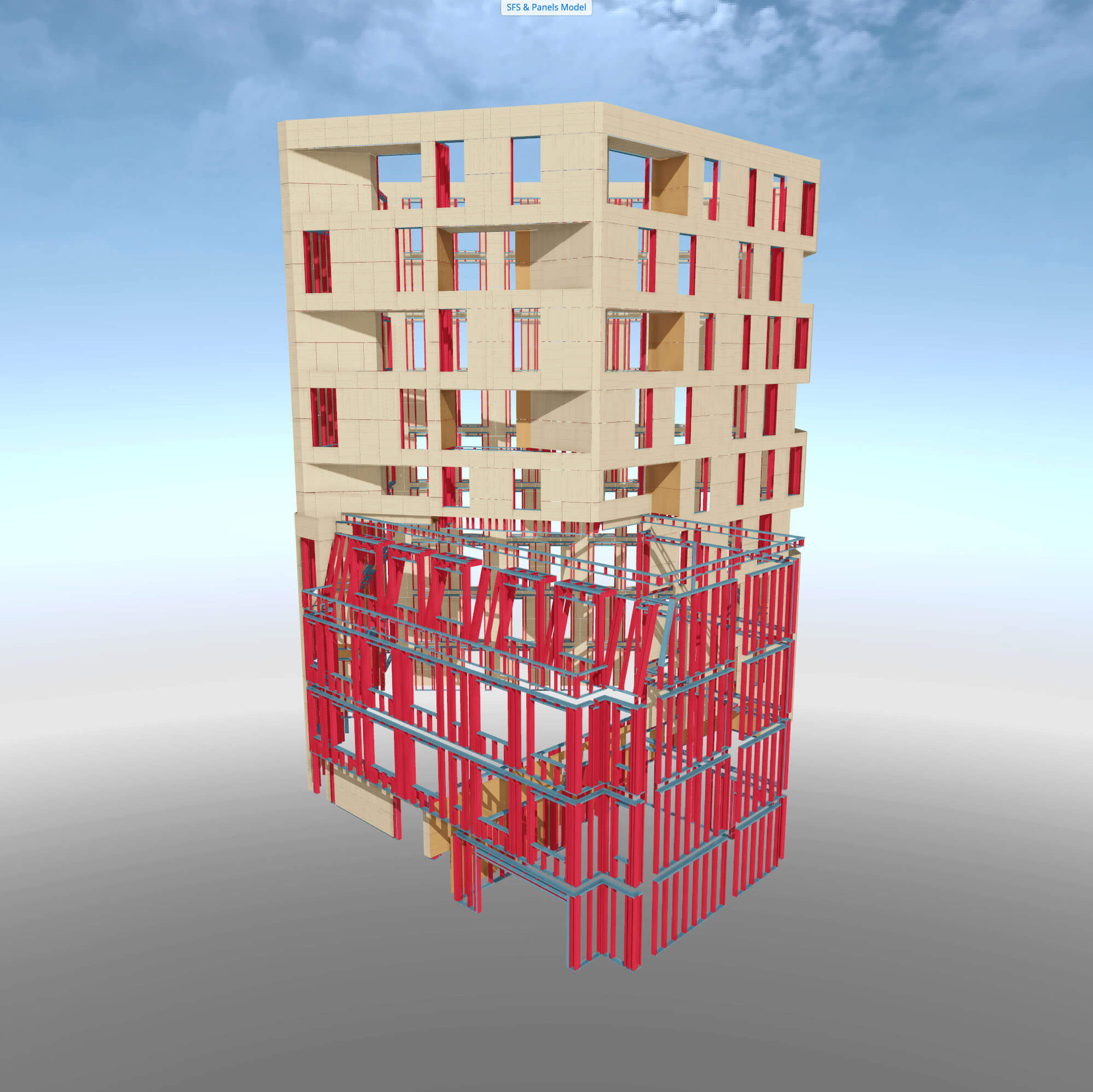
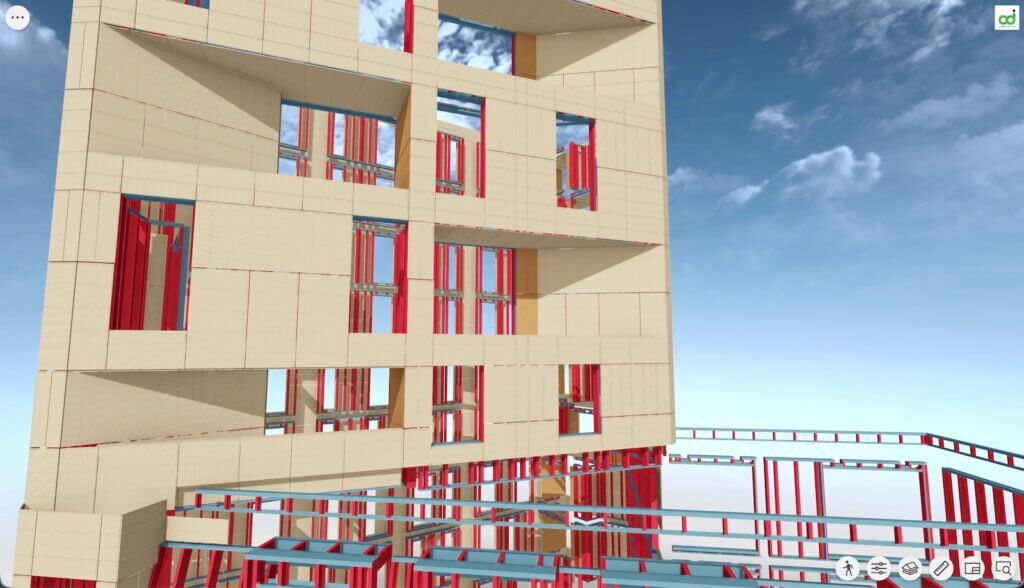
Goodhall Street Development façade paneling and supporting structure shown in Graphisoft BIMx, © airc.digital
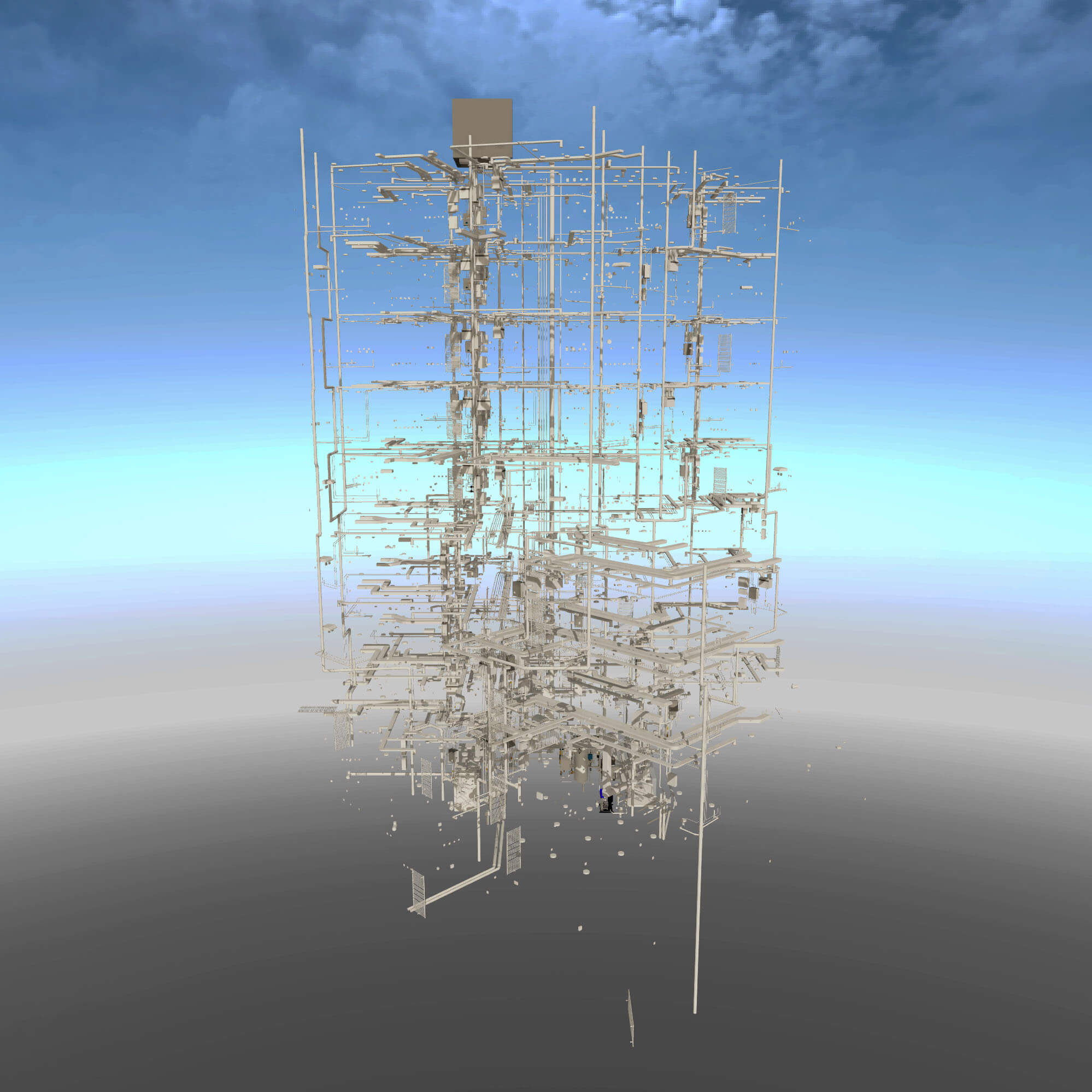
Goodhall Street Development MEP model shown in Graphisoft BIMx, © airc.digital
Goodhall Street Development © airc.digital
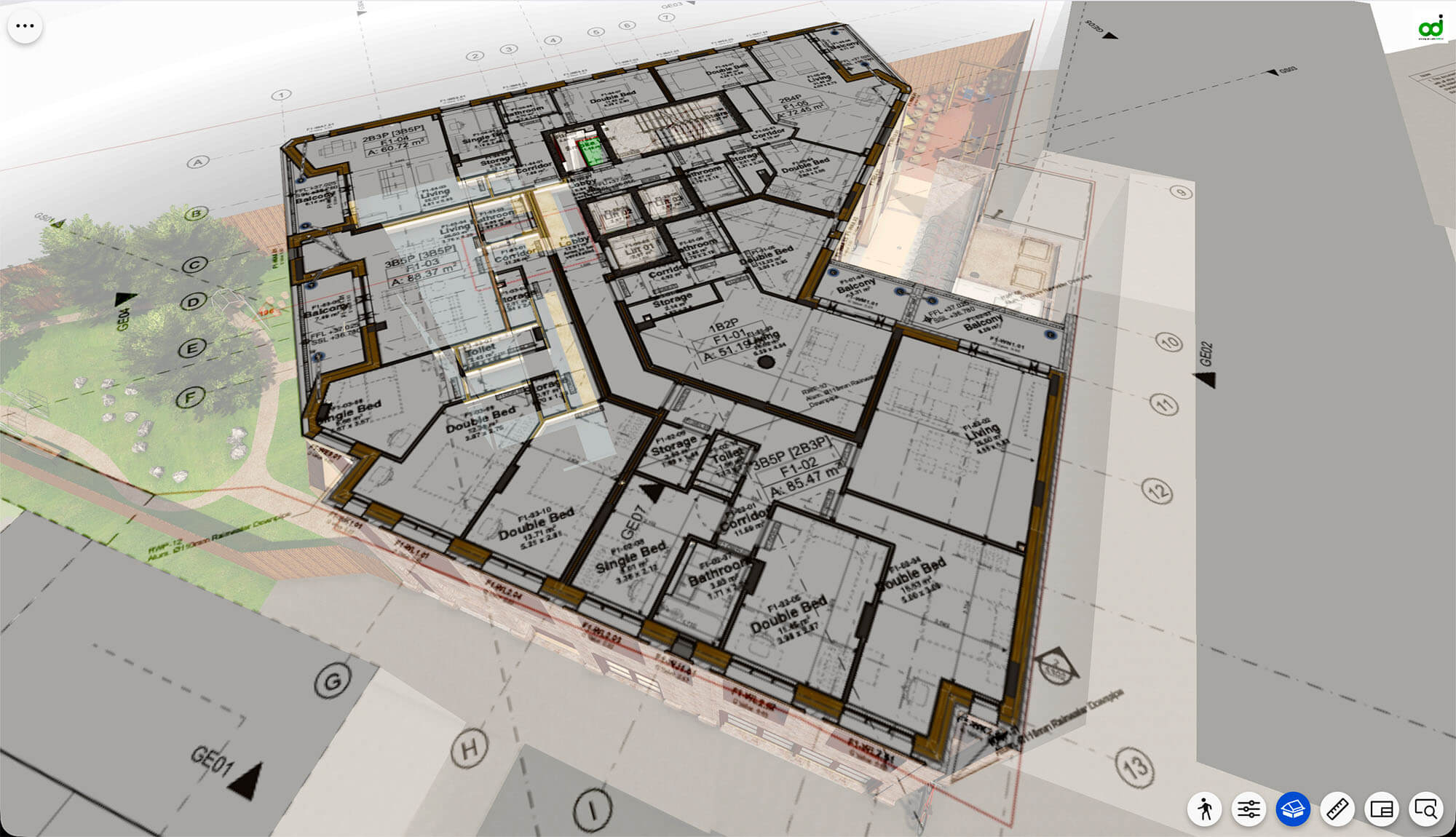
Goodhall Street Development, 3D cut model with floorplan worksheet overlay shown in Graphisoft BIMx, © airc.digital
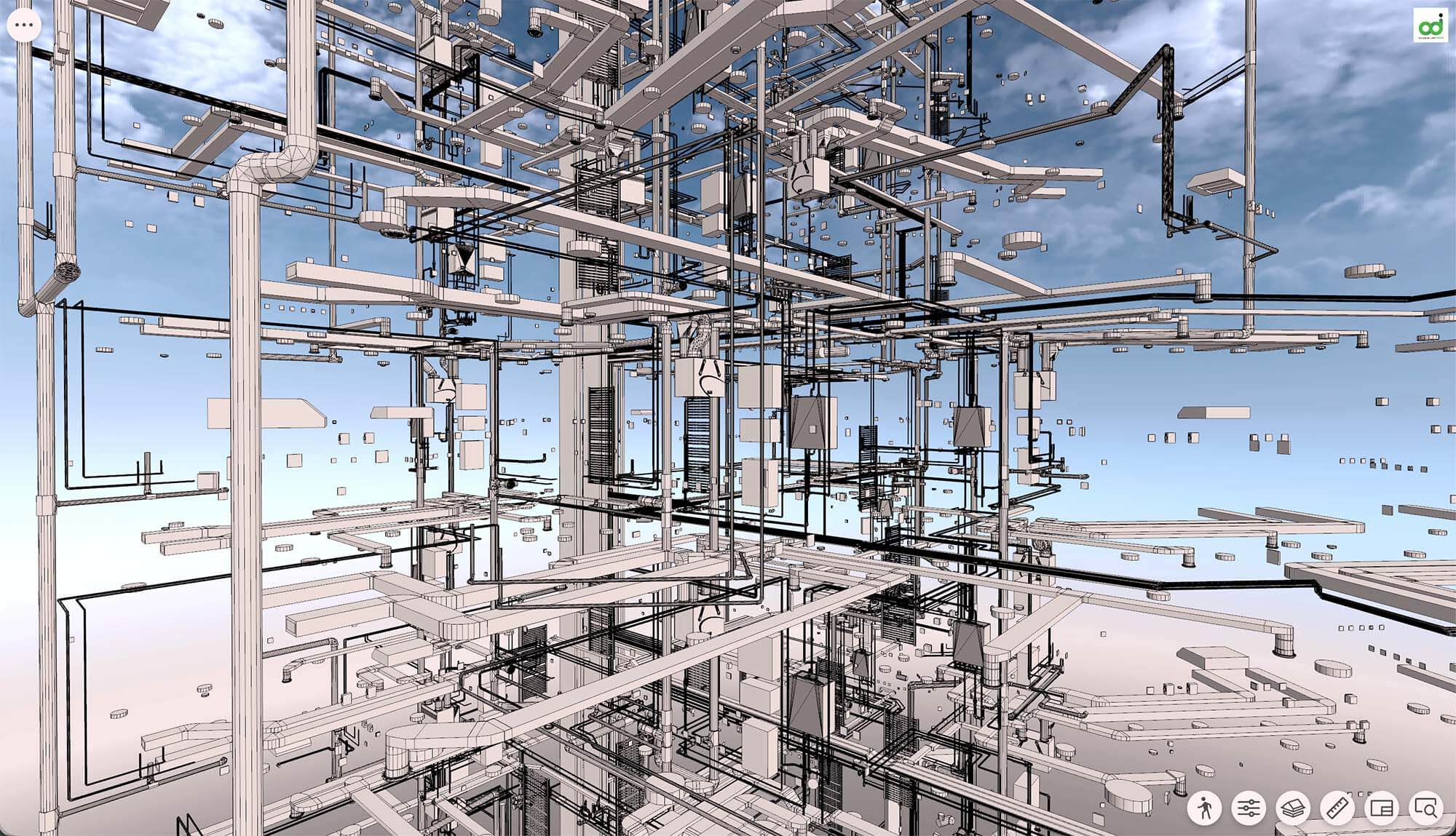
Goodhall Street Development MEP model detail shown in Graphisoft BIMx, © airc.digital
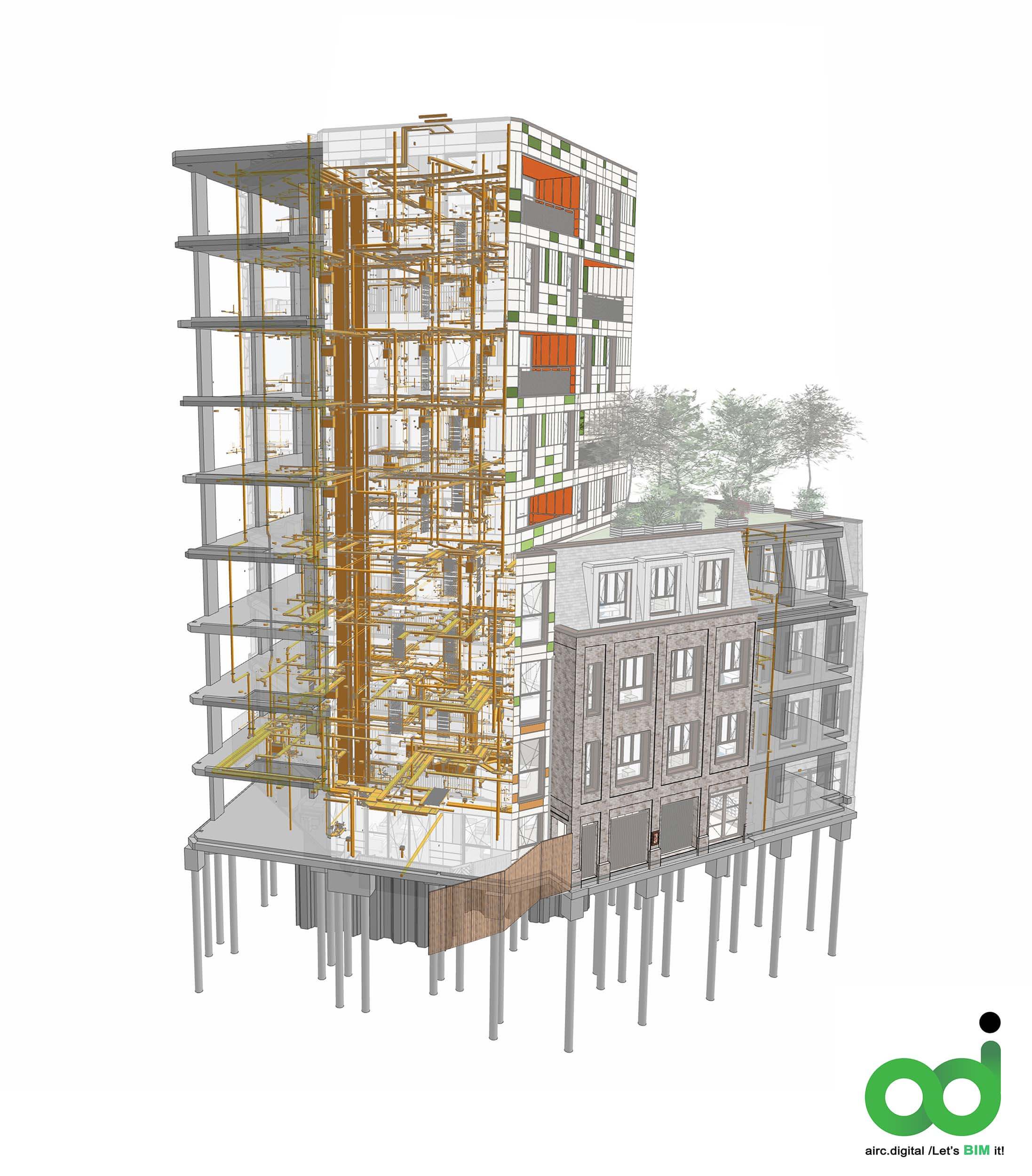
Goodhall Street Development consolidated model, © airc.digital
Goodhall Street Development © airc.digital
Goodhall Street Development © airc.digital
Goodhall Street Development © airc.digital
Goodhall Street Development, façade paneling GDL object, © airc.digital
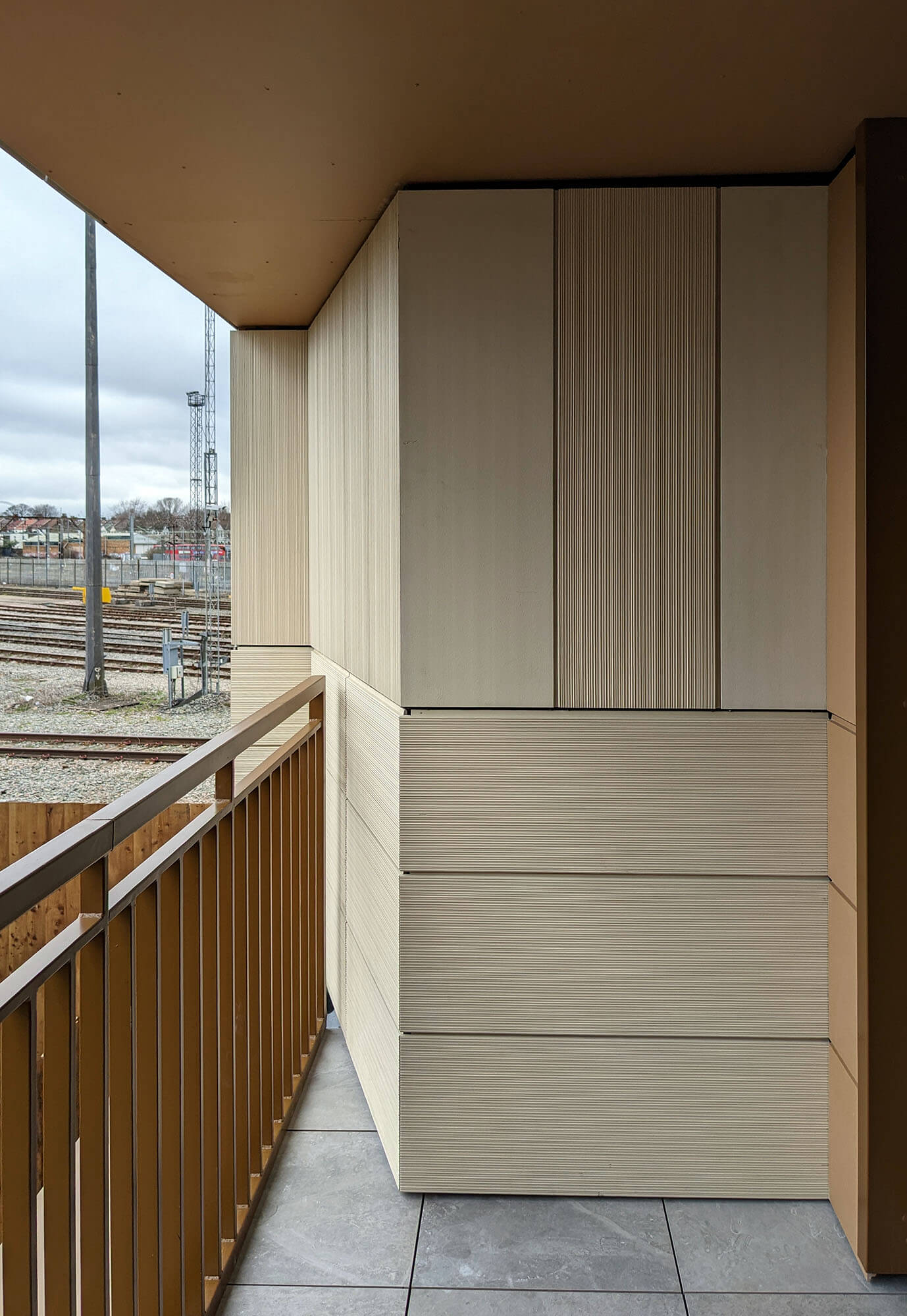
Goodhall Street Development © airc.digital
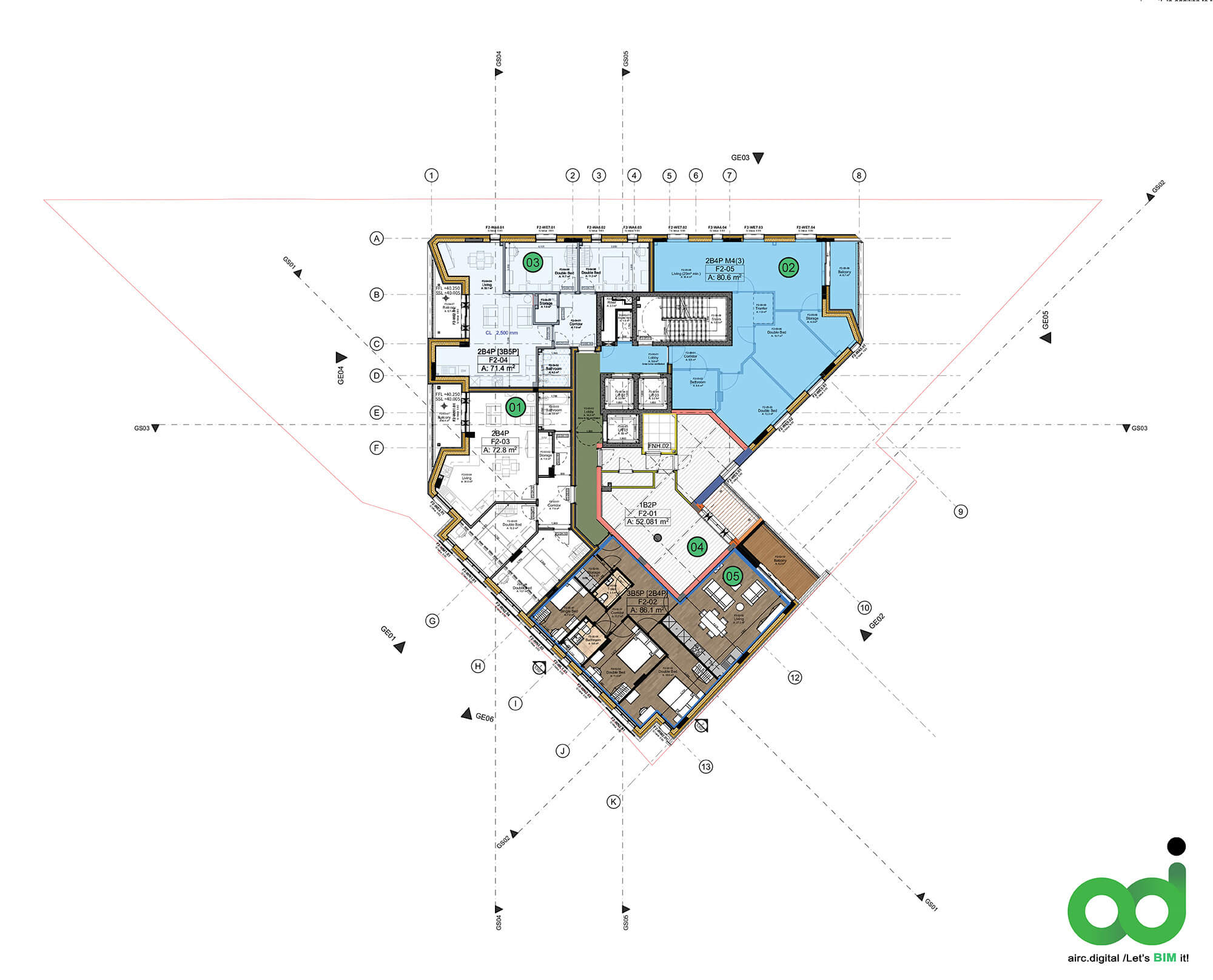
Goodhall Street Development, floorplan representation with Archicad's Graphical Overrides © airc.digital
Innovation
BIM Innovation for Façade Design
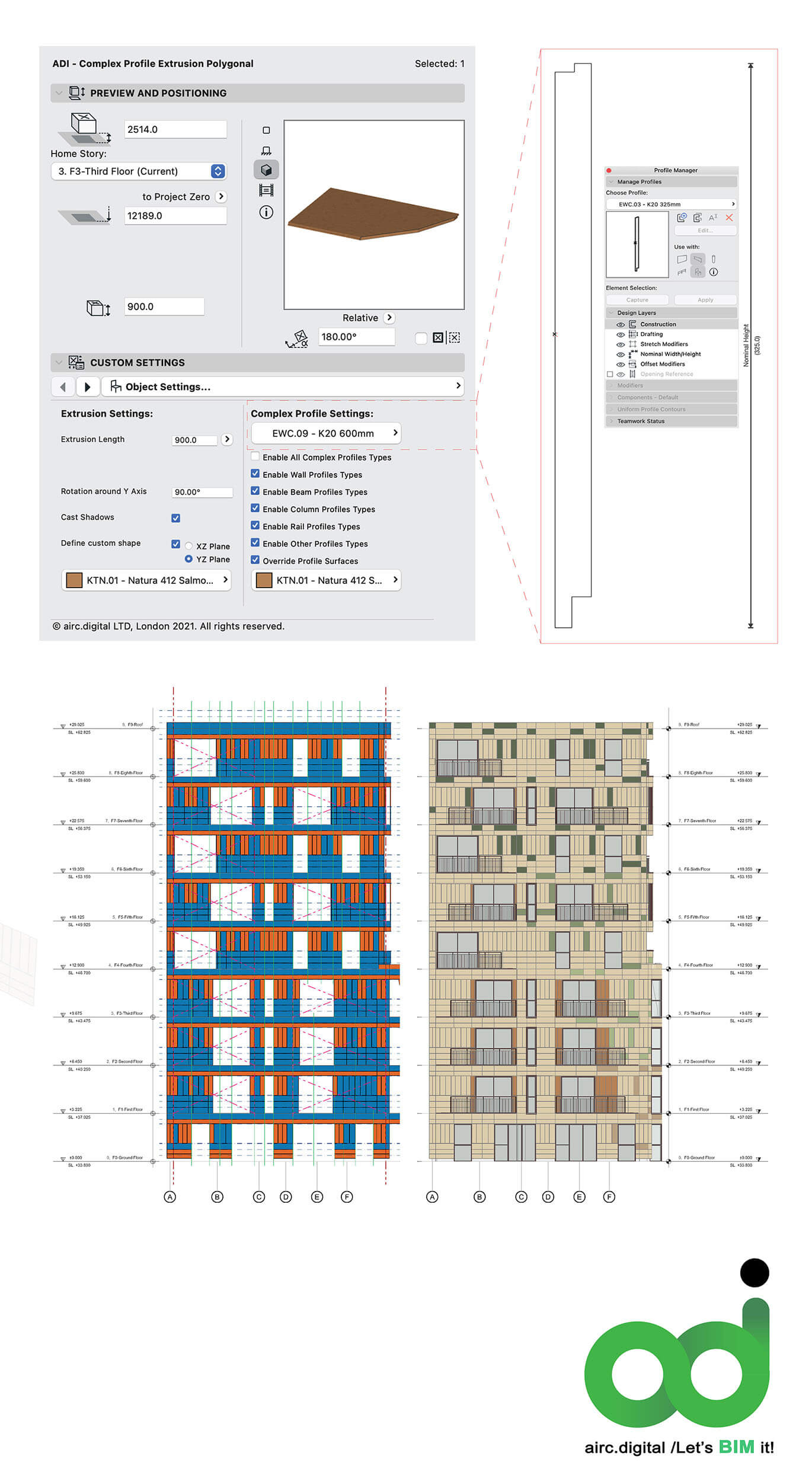
One of the main elements of the redesign was the cladding on the tall element of the development. There was no budget available for a bespoke façade, so the team used standard-sized tiles and innovatively used them to achieve the desired effect. The team modeled all 4,955 cladding panels in Archicad, using bespoke in-house GDL objects which airc.digital developed for the project.
Every panel was modeled individually and coordinated with the supporting steel structure of the façade. In this way, the whole façade could be accurately scheduled, with a mix of standard-sized tiles creating a unique geometric pattern.
Previously, the façade manufacturer had worked in 2D, but as the design involved a number of complicated junctions, airc.digital persuaded them to work in 3D for this project.
Create and manage your own Archicad Library without writing complex GDL codes. Graphisoft Learn’s self-paced, online Create Complex Objects in Archicad course will teach you how to create custom objects and also to understand how to customize these elements.

All codes came from the manufacturer, detailing the standard sizes of the cladding tiles, but we specified the size, shape and shade for each individual tile. This level of specificity was only possible because the façade was fully modeled in Archicad.
Jaime Ingram, BIM leader and co-founder of airc.digital
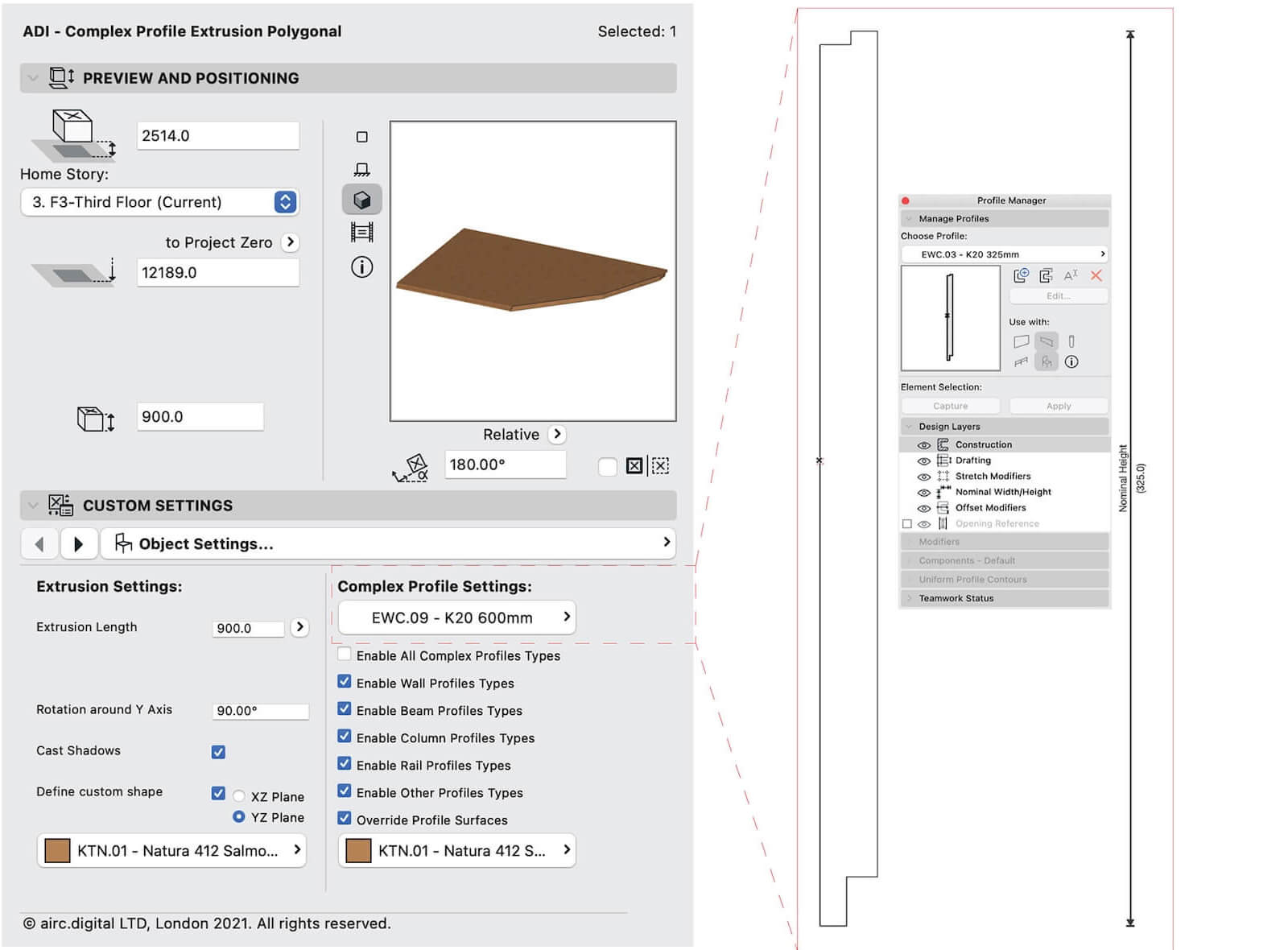
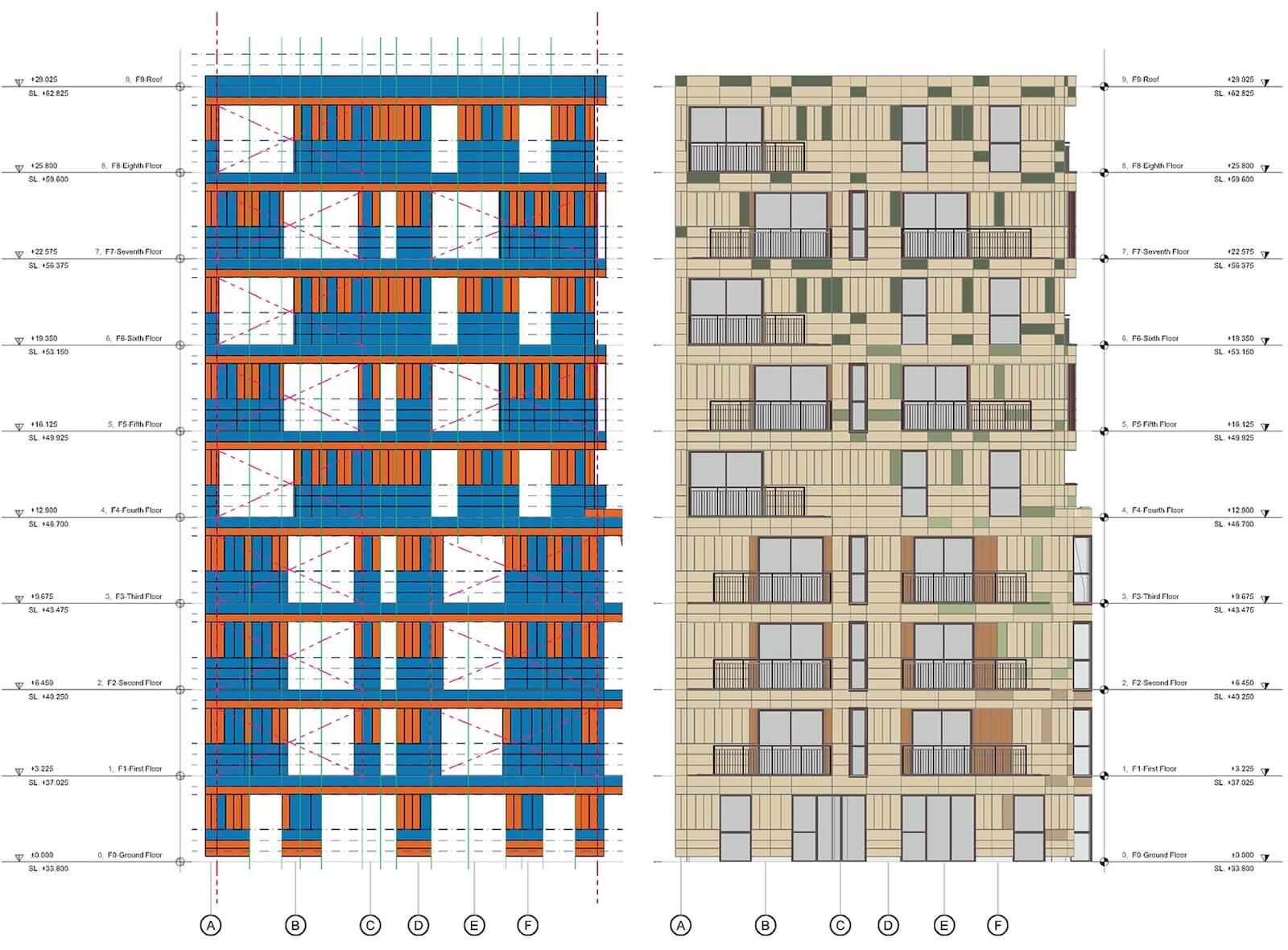
The team modeled all 4,955 cladding panels in Archicad, using bespoke in-house GDL objects © airc.digital
Communication
Archicad and BIMx for Communication
airc.digital worked in Archicad throughout the project, harnessing innovative BIM to perfect the design, manage a complicated workflow and communicate with multiple stakeholders. In addition, BIMx helped to communicate the design and technical intent to the rest of the design team.
Archicad’s Graphical Overrides enabled airc.digital to show the planners how different treatments would affect the look of the building. During the construction phase, BIMx was invaluable in demonstrating different model views to the contractors, for example, by overlaying the technical details and the 3D model.
In addition, when showing the 3D model in Archicad, airc.digital made changes in real-time during meetings. This made it easy for the project’s stakeholders to see what the team was proposing, and also improved their confidence by having the changes made immediately.
Click to enter the BIMx Hyper-model, digital twin of the project
Once the contractors had seen the benefits of BIMx in design meetings, they asked to access the BIMx model on site. This approach helped to reduce the requests for information we typically get when a project reaches construction.
Pierre Saunal, co-founder of airc.digital
Collaboration
A Collaborative Effort
airc.digital coordinated the project through the exchange of IFC models and BCF clash reports. Each discipline on the project used different software: airc.digital designed the buildings using Archicad, structural engineers Fairhurst and M&E consultant Consolux, and the façade cladding manufacturer worked in Revit, while Guarda Landscape used Vectorworks and SketchUp.
Meanwhile, the contractor Antvic, the developer Yellow Brick Capital and the property agents used a combination of the IFC models, BIMx models, drawing sets and BIMcollab visualizations produced by airc.digital.
The completed development is an example of a collective and collaborative effort between all members of the project team. The OPEN BIM philosophy of Archicad was instrumental in enabling the coordination of the designs amongst all stakeholders.