 United States site instead?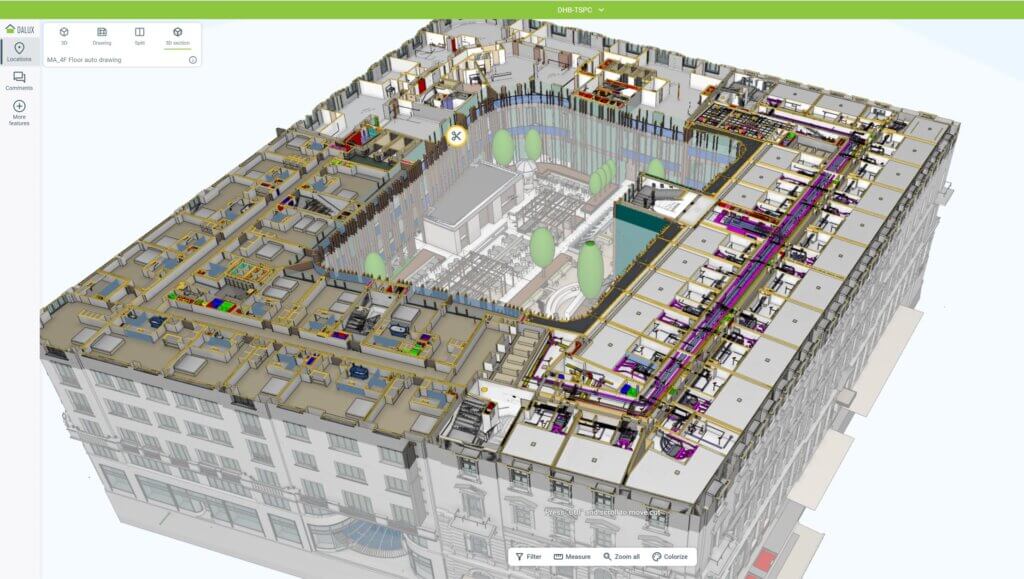
Successfully automating the management of your architectural projects relies on Building Information Modeling (BIM). Given how fast-paced and demanding the world of architecture is, it might seem like an aspiration, but it can be a reality. Traditional manual management of project files and design concepts can be time-consuming and expensive. That’s why integrating a powerful platform that links your BIM and project management systems is the smart solution you’ve been seeking!
Attention to detail throughout the project lifecycle in today’s fast-paced architectural environment must be meticulously managed, from the initial spark of an idea in design to the final delivery of your project. A well-managed BIM is a crucial element of this journey. Organizations that rely on manual processes or disjointed systems often face costly mistakes. By adopting a seamless BIM management platform that lets you conceptualize design ideas within a project management system, you’re setting your team up for success, enhancing collaboration, and maximizing project efficiency!
Let’s explore why embracing this integrated BIM management approach is a game-changer for innovative architectural firms:
Automated Data Flow Between Design and Project Management
Whether using 2D or 3D methods to create complex designs, disconnected project management systems result in poor communications and error-filled data transfer. A connected project management system focuses on timelines, resource allocation, and task tracking. Keeping these two realms communicating in real-time means that transferring data is no longer a cumbersome, error-prone, and delayed process.
Imagine enabling a seamless information flow. Establishing a connection between the management platform and BIM allows design changes to be effortlessly transitioned into project workflows. No more redundant data entry—everyone from design to project management can access real-time, accurate information! This powerful integration reduces miscommunication risks and significantly decreases costly project errors, making your processes more robust and reliable.
Unmatched Accuracy in BIM Data
Handling BIMs manually or juggling multiple unconnected systems can introduce discrepancies that hinder your operations. When a design change occurs, having that update automatically reflected in the project management system is essential for staying on track. Without this linkage, you risk working with outdated BIM data, which can lead to project delays or quality issues.
With an integrated BIM management solution, any changes made are instantly reflected in the project’s BIM data. This real-time synchronization ensures your teams are always aligned with the latest information, dramatically minimizing errors, and fostering confidence across departments. Being anchored in a single, reliable source of truth empowers architects to operate with precision, helping to avoid unnecessary rework and waste!
Real-Time Collaboration and Enhanced Communication
An integrated BIM platform facilitates real-time collaboration, keeping design, project management, and construction teams in sync throughout the project lifecycle. Architects can start with BIM while project management teams easily incorporate tasks and timelines to create a fully integrated project plan without disrupting the design process.
This level of flexibility is invaluable in today’s complex architectural environments, which involve numerous teams and stakeholders. The result? Faster decision-making and a streamlined project development process that encourages input from all teams, effectively avoiding bottlenecks and miscommunication!
Accelerated Project Timeline
Synchronizing your 3D model and project management systems can speed up the entire project lifecycle by providing teams with the crucial information and clarification they need. By automating the data flow between 3D and project management using a BIM management platform, you can significantly streamline the transitions between design and execution, minimizing delays.
This integration can dramatically reduce the time it takes to move your project from concept to completion, a significant advantage in a highly competitive industry! With quicker, more efficient workflows, your firm can move projects forward faster, adapt to new insights, and respond to client needs in real time!
Greater Cost Control and Insightful Forecasting
Architects are frequently challenged to manage costs while ensuring they meet design specifications and quality standards. An integrated BIM management platform with project management capabilities enables precise tracking of resources and costs from the outset. With real-time visibility into material requirements, project teams at design and build firms can make timely decisions, negotiate favorable supplier terms, and prevent stockouts or excessive inventory.
Additionally, as project designs evolve, cost forecasts are automatically updated, providing critical budgeting insights. This proactive approach allows firms to stay within financial limits and achieve their profitability goals. Ultimately, it’s a robust solution for enhancing operational efficiency and financial success in architectural projects!