PMR – Lower Woodland Barns
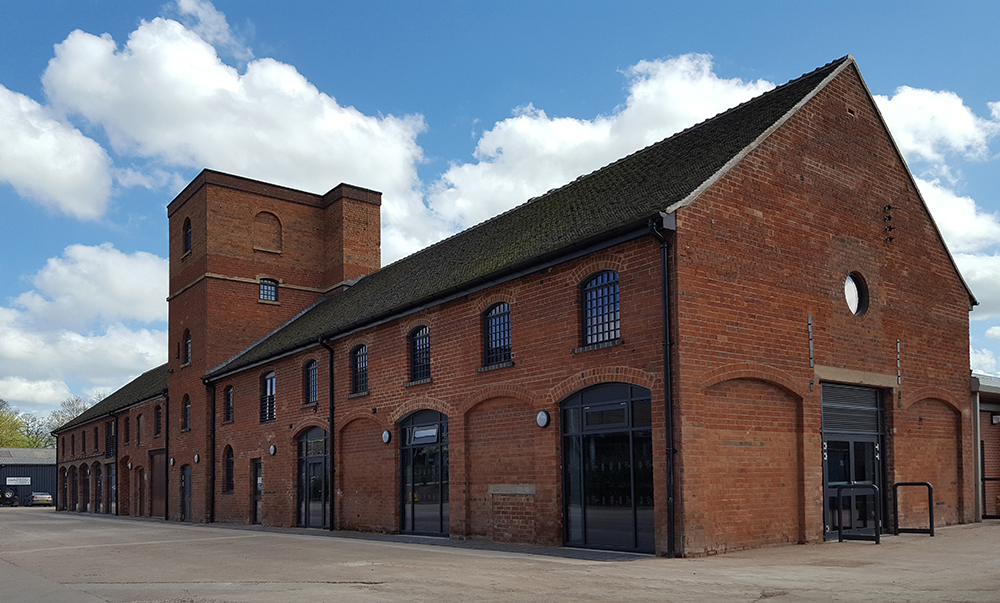
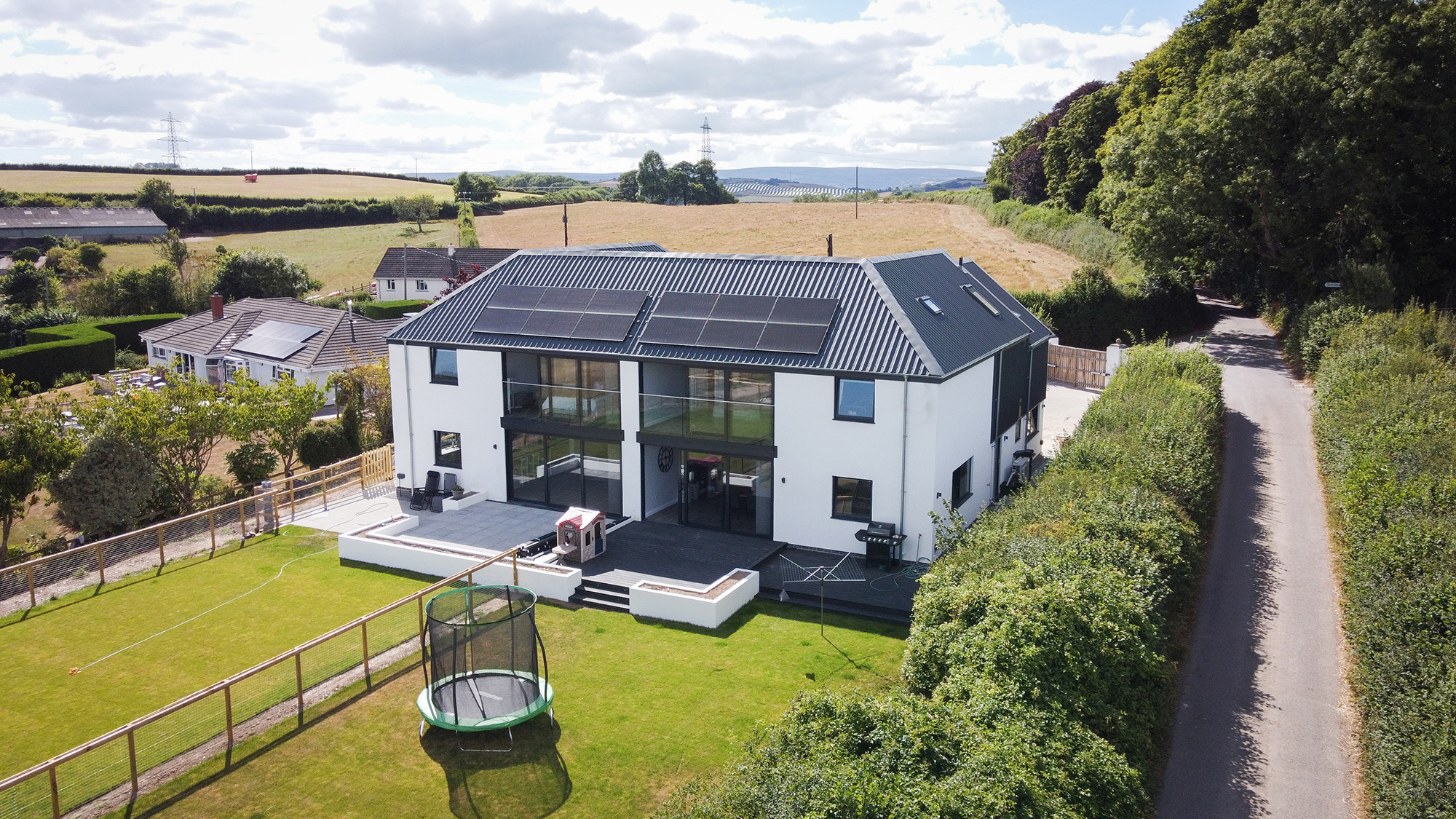
Designed by PMR Architecture, Lower Woodland Barns is a development of two sustainable, low-cost and high-quality homes built on the site of a former agricultural barn in South Devon.
 United States site instead?
Designed by PMR Architecture, Lower Woodland Barns is a development of two sustainable, low-cost and high-quality homes built on the site of a former agricultural barn in South Devon.
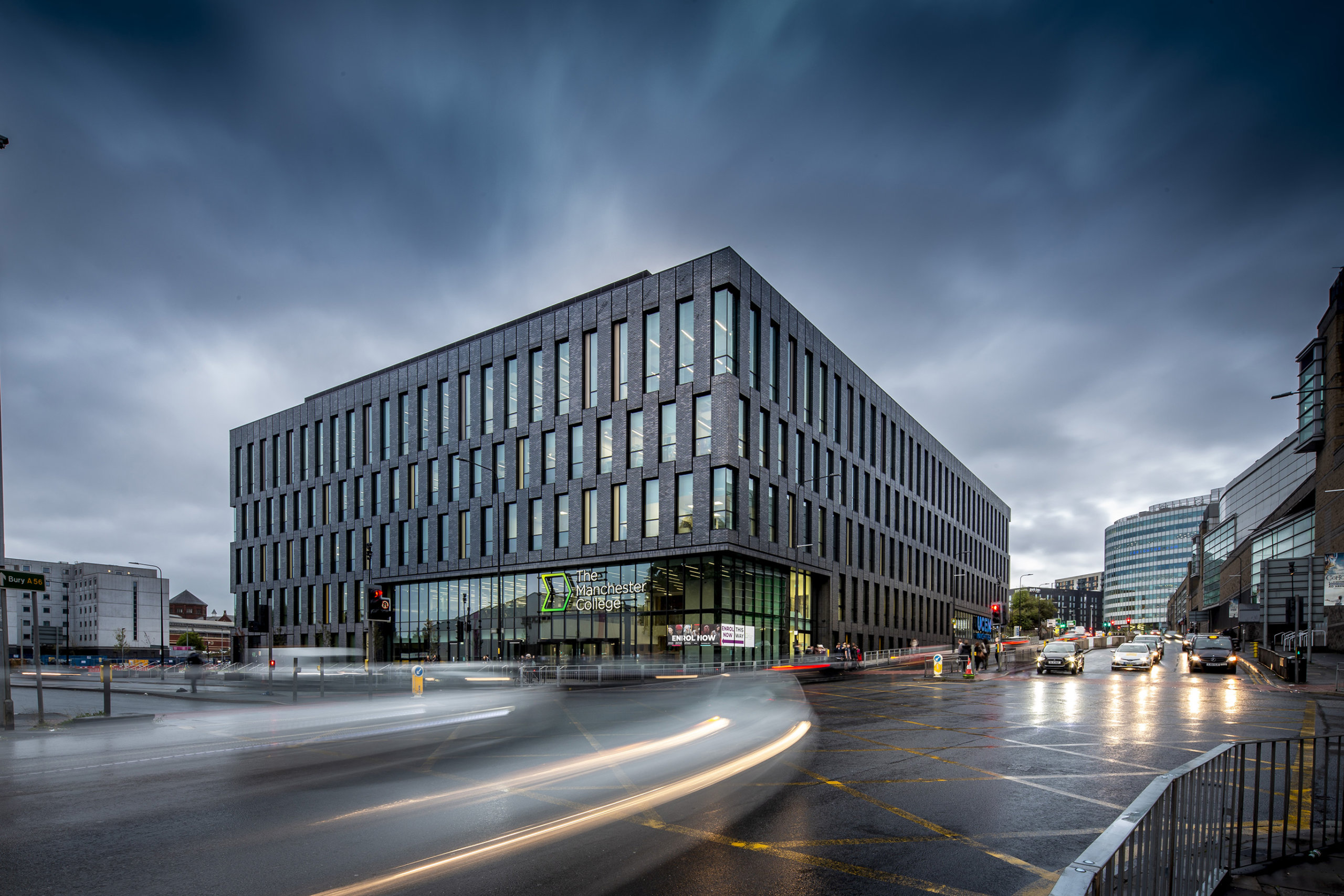
A joint collaboration between Bond Bryan and Simpson Haugh has delivered a state-of-the-art city centre campus for The Manchester College and UCEN.
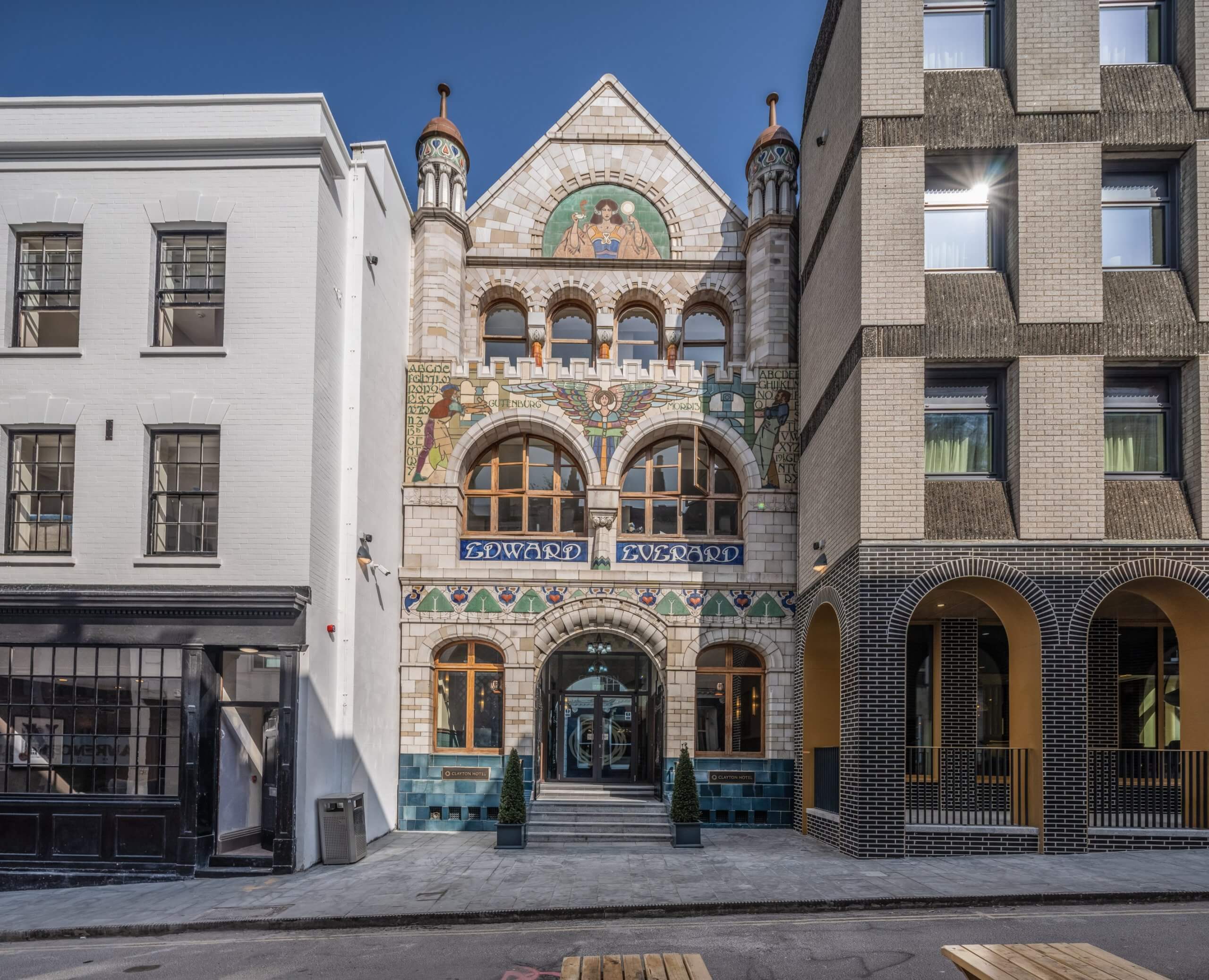
As part of a mixed-use redevelopment of the iconic Everards Printworks in Bristol, AMA Studio was tasked with sensitively transforming a long-disused office building into a 4-star hotel.
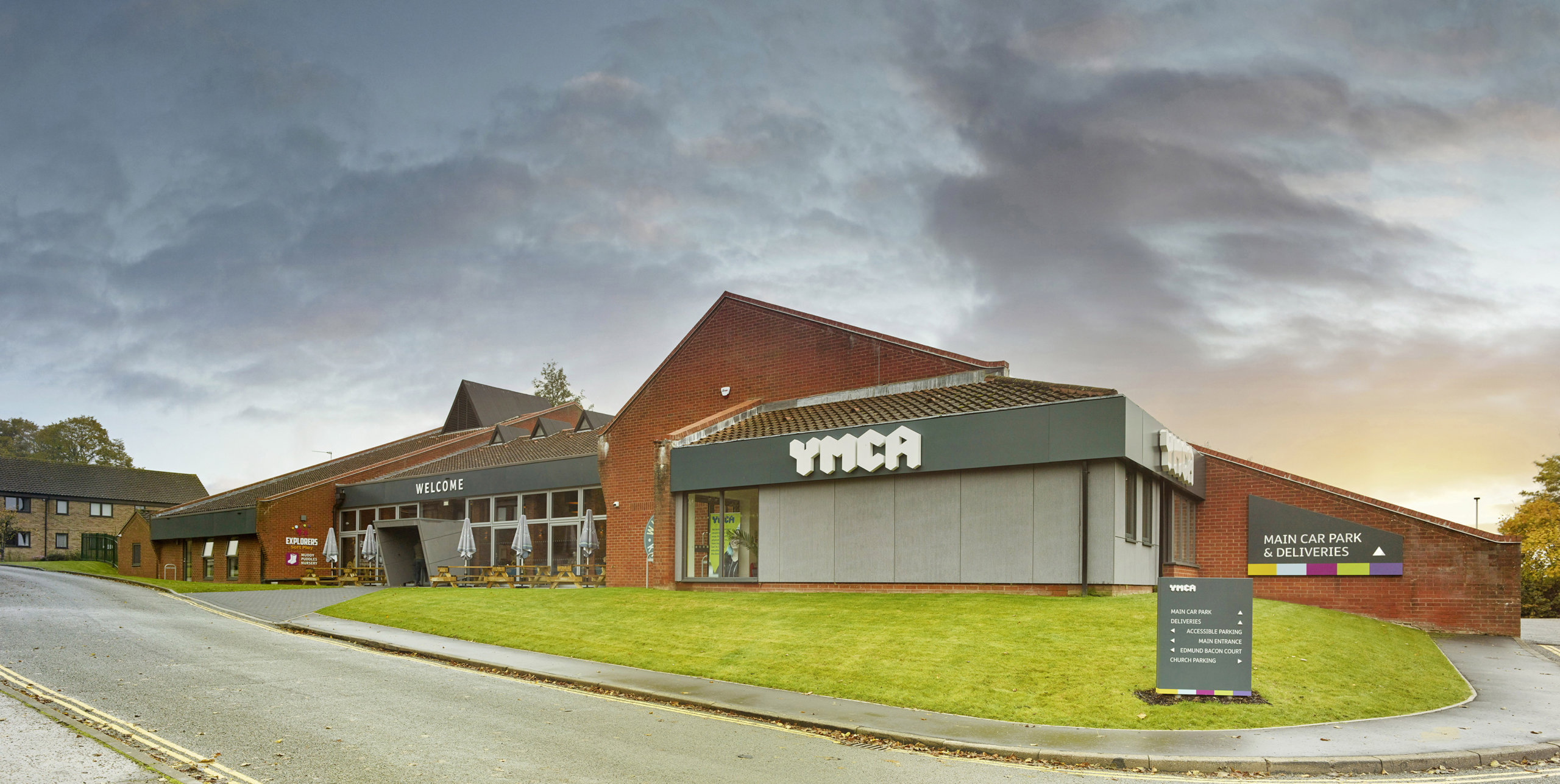
With the help of Archicad, a former Royal British Legion building has been transformed by LSI Architects into a bright and welcoming community hub for the YMCA in Norwich.
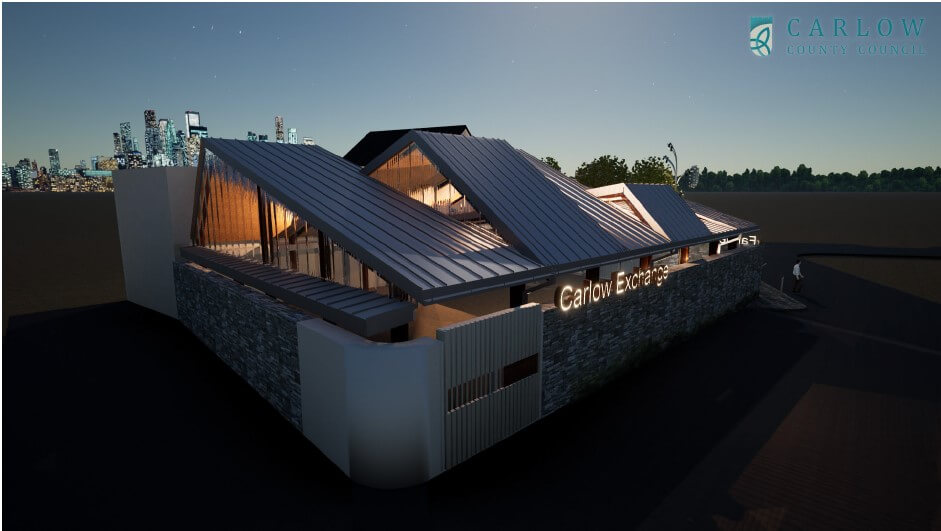
Graphisoft’s Archicad was instrumental in the design and implementation of the redevelopment of Carlow Exchange to provide a new covered outdoor space.
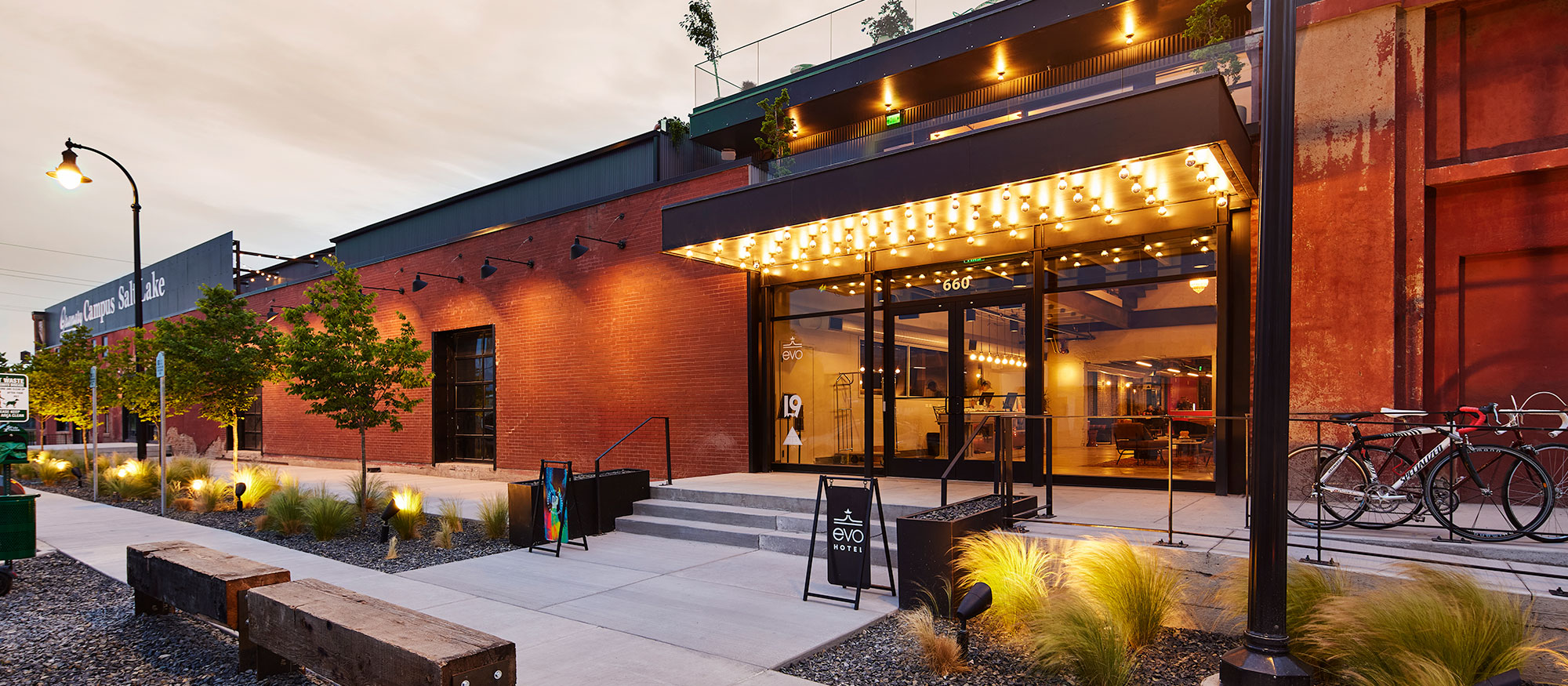
A collection of historic buildings in Salt Lake City have been transformed into a 21st century destination, complete with retail offerings, activities, and recreation, as well as hospitality.
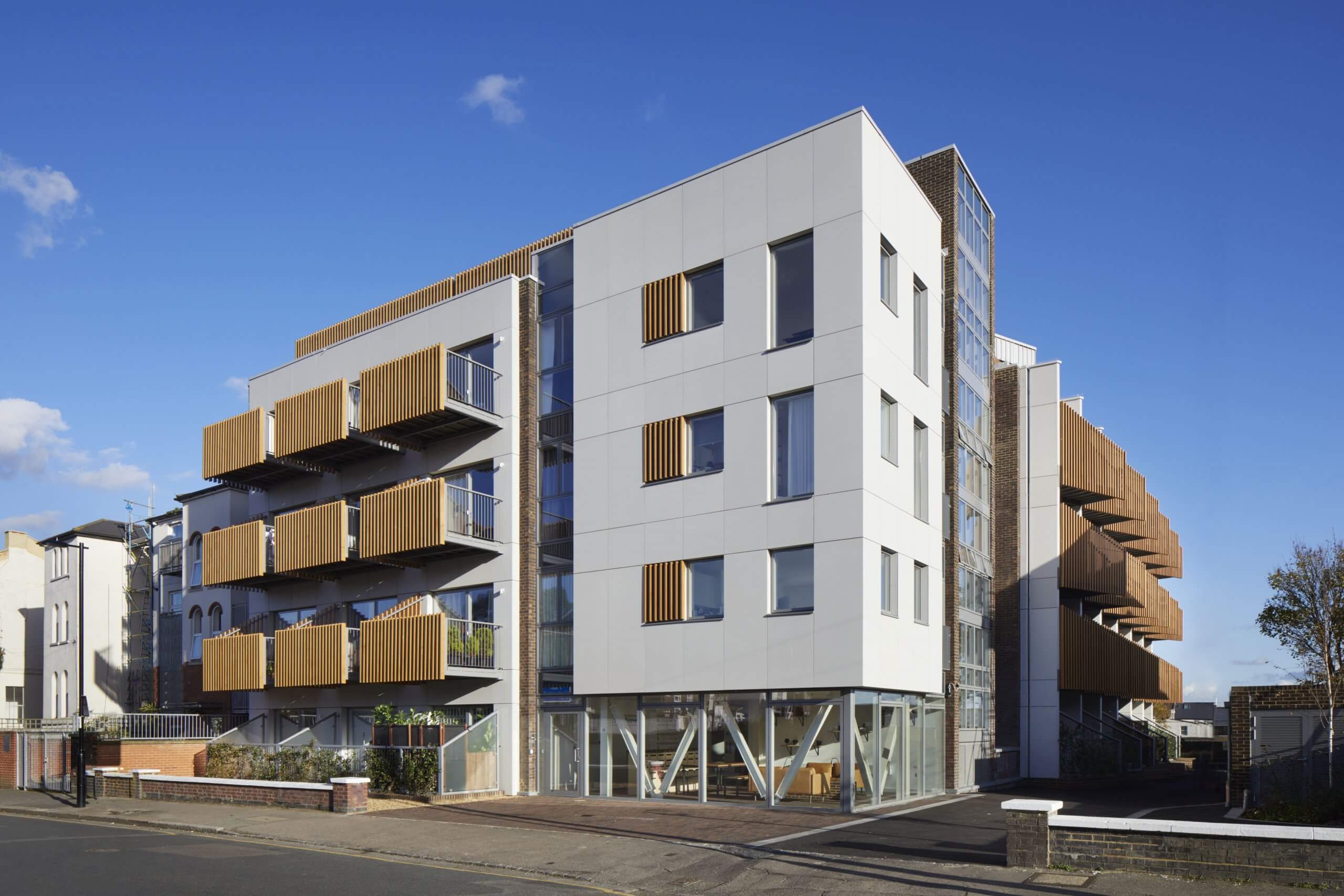
Alma-nac was tasked with renovating the Post Office building, Paxton House, from concrete frame office block into attractive residential apartments.
The AgriSTEM Academy is South Staffordshire College’s centre for training in the advanced manufacturing and engineering, agricultural engineering and technology sectors.
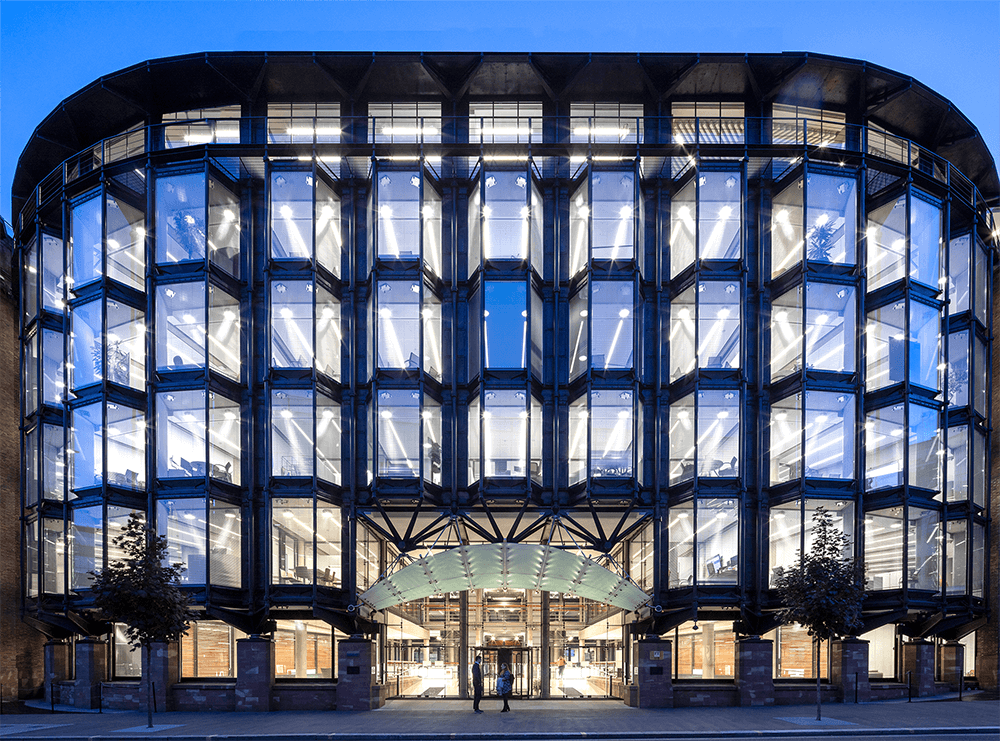
Bracken House in London tells a story of changing architectural styles, and showcases how a BIM-enabled 21st century restoration can breathe new life into an aging landmark building.
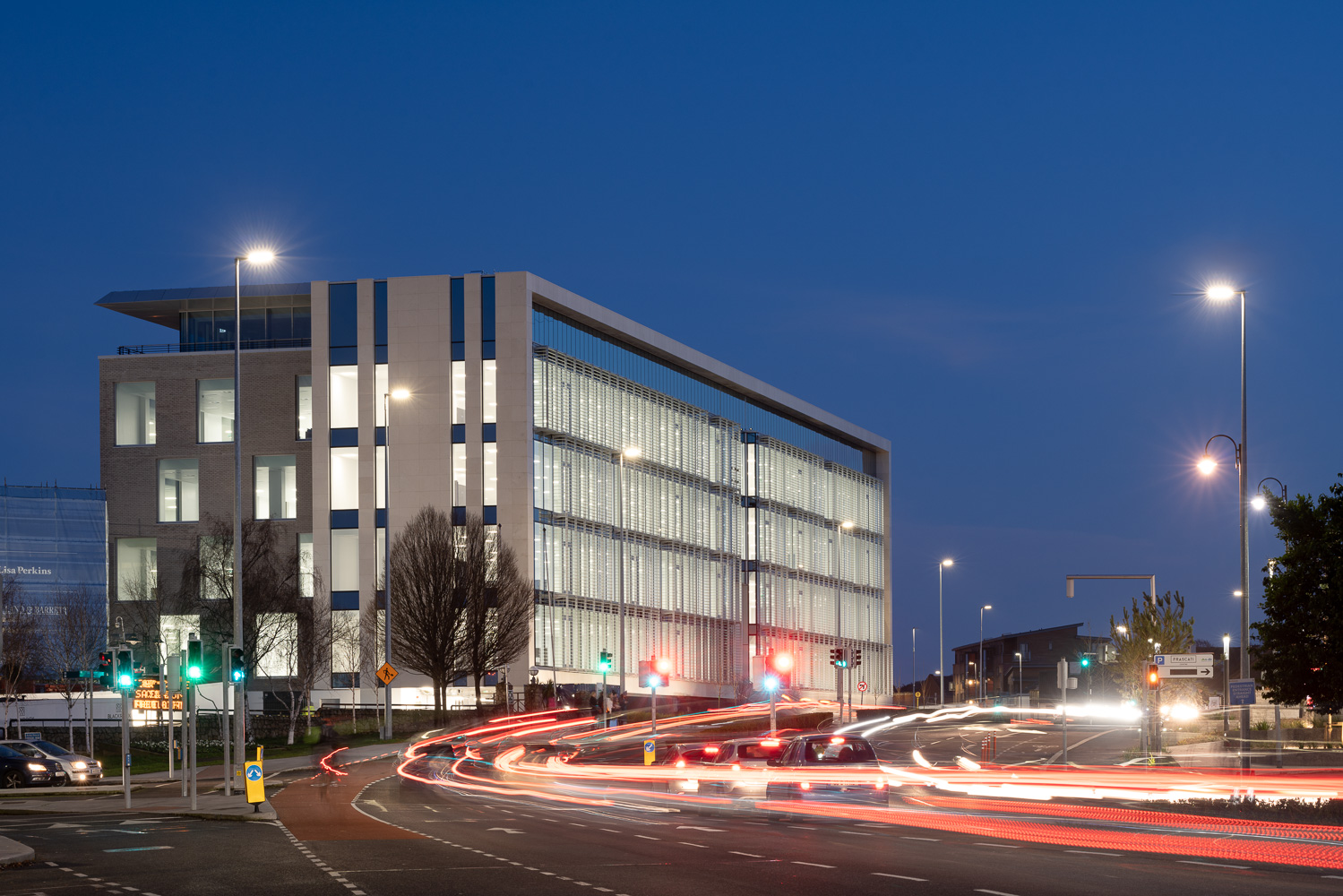
Zurich House was redeveloped as part of a masterplan to upgrade and improve the Blackrock Estate in a village location on the edge of Dublin.
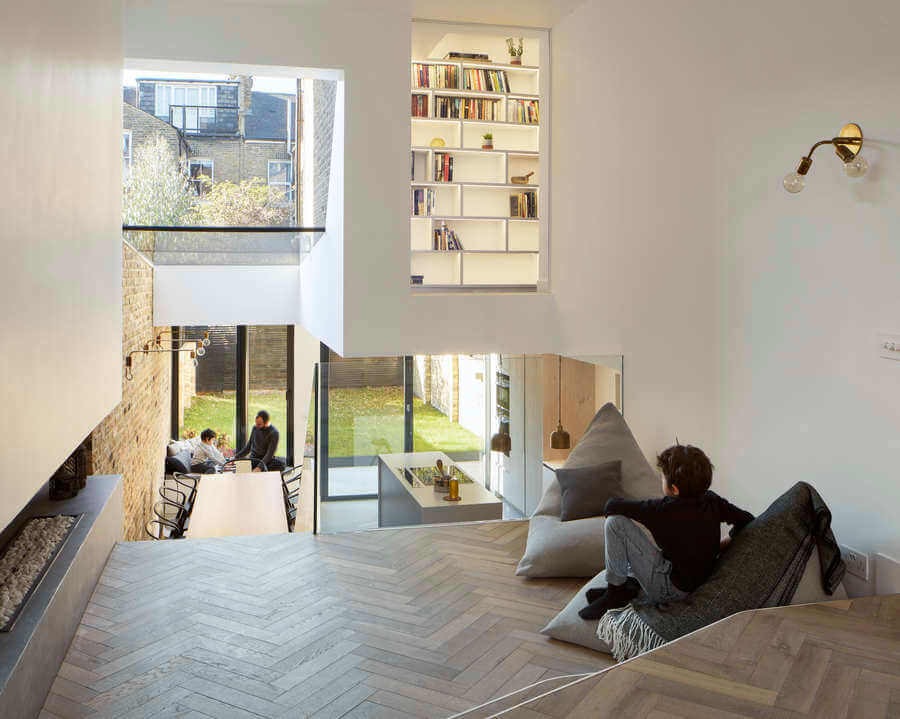
Scenario Architecture has started their second decade specializing in the high-end residential sector, creating homes that are beautiful, functional and personalized.
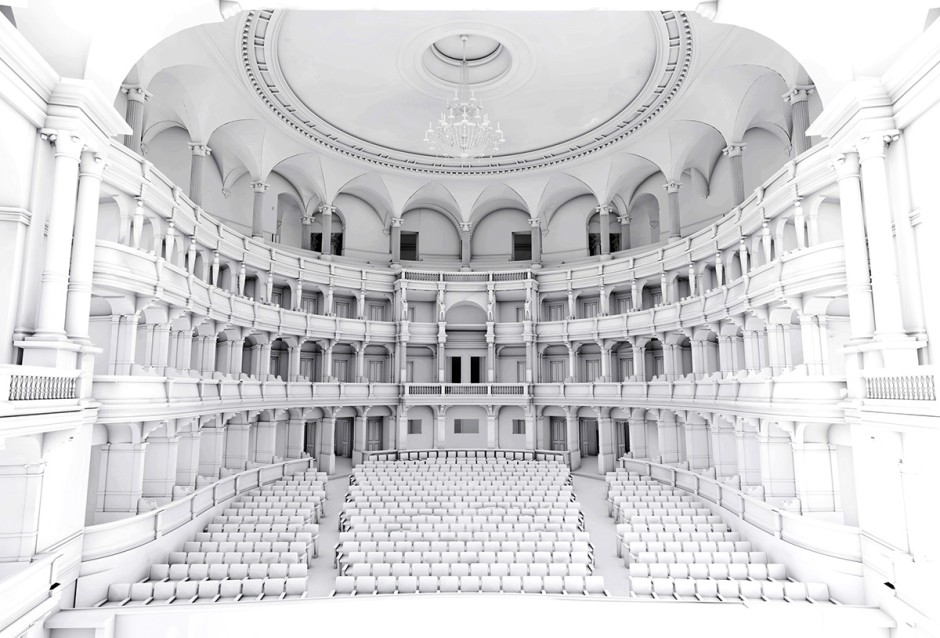
CÉH Inc. used geodetic surveying, architectural 3D modeling, and point cloud technology to model the Hungarian State Opera House during use.