PMR – Lower Woodland Barns
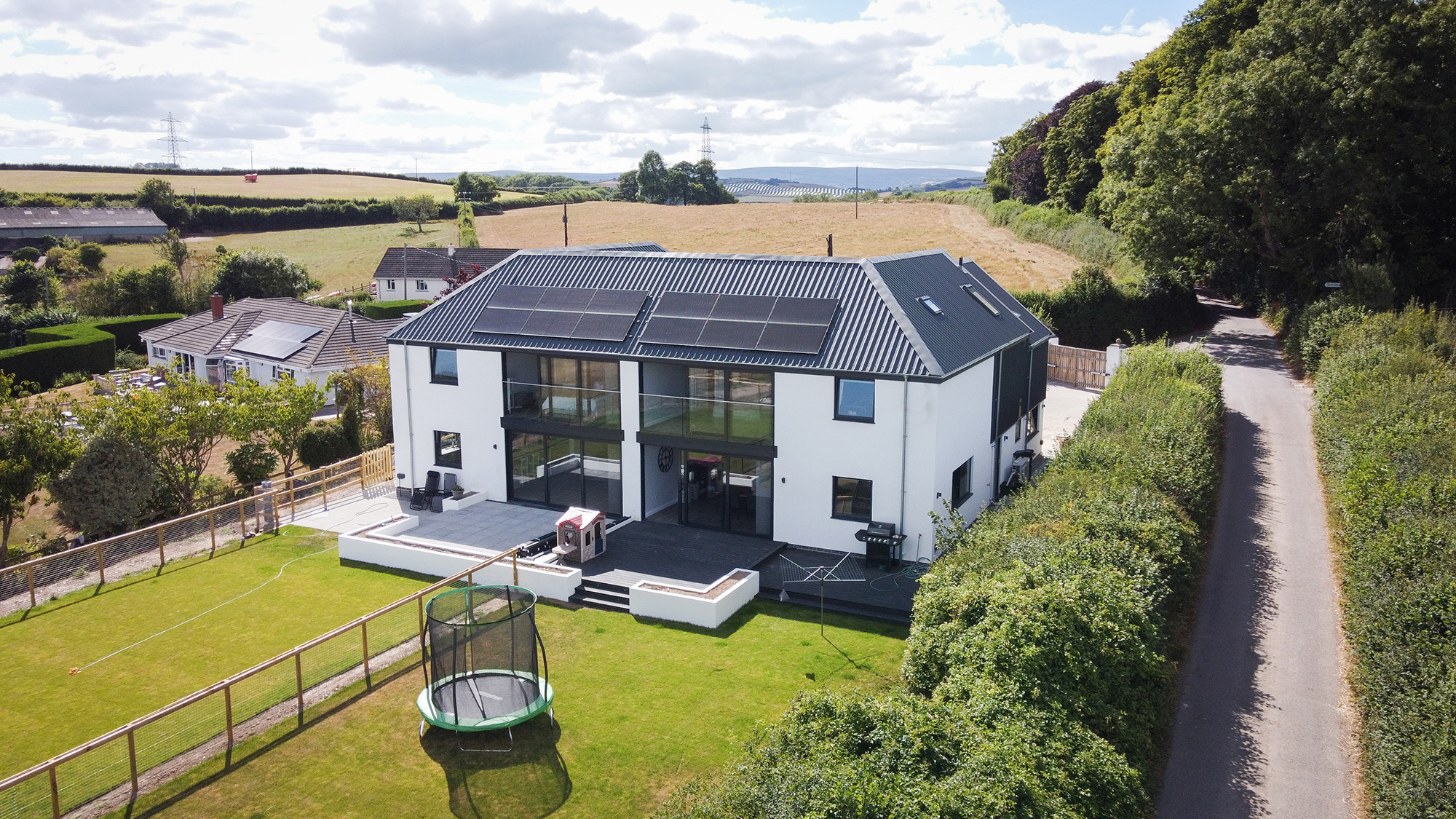
Designed by PMR Architecture, Lower Woodland Barns is a development of two sustainable, low-cost and high-quality homes built on the site of a former agricultural barn in South Devon.
 United States site instead?
Designed by PMR Architecture, Lower Woodland Barns is a development of two sustainable, low-cost and high-quality homes built on the site of a former agricultural barn in South Devon.
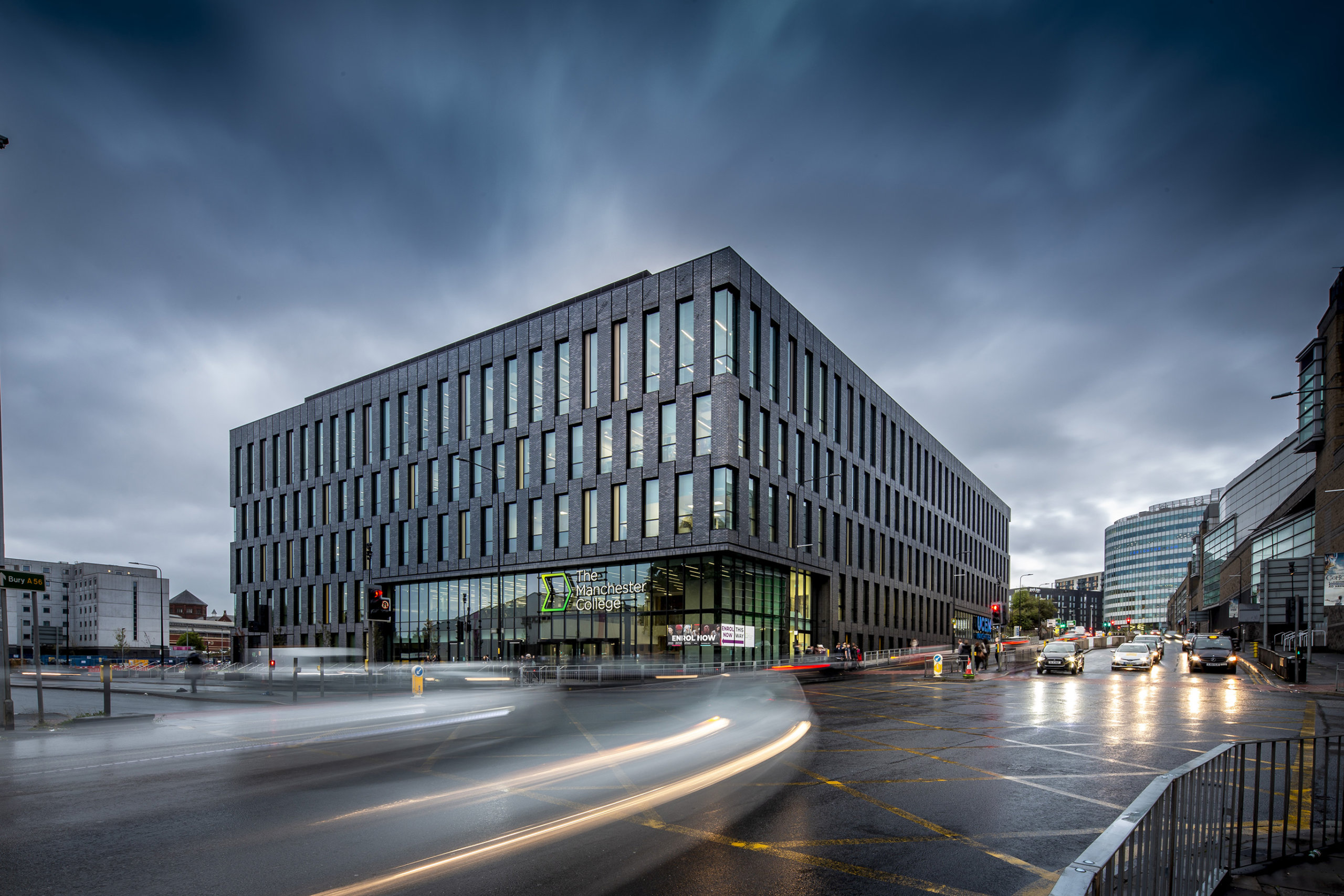
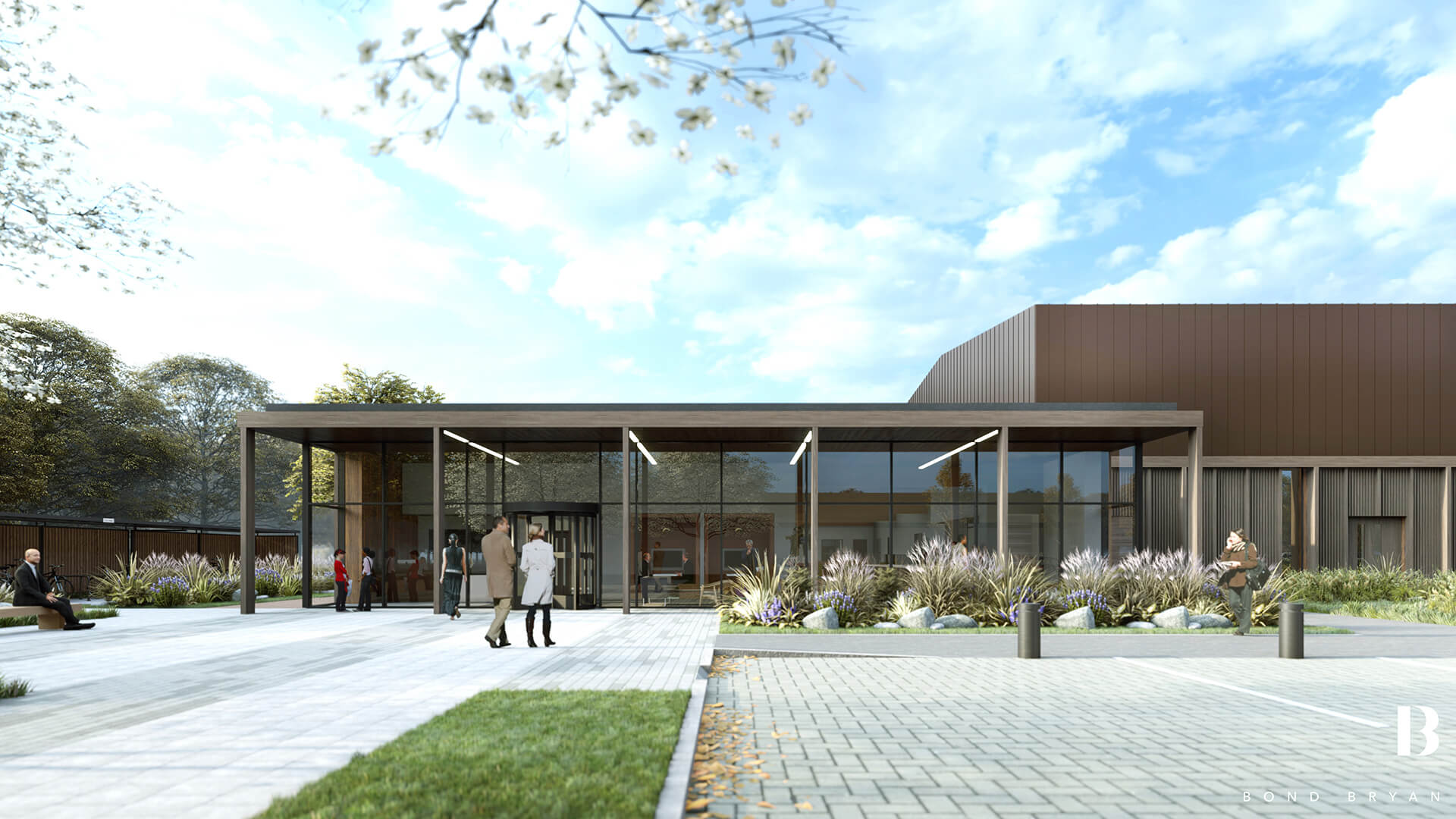
A joint collaboration between Bond Bryan and Simpson Haugh has delivered a state-of-the-art city centre campus for The Manchester College and UCEN.
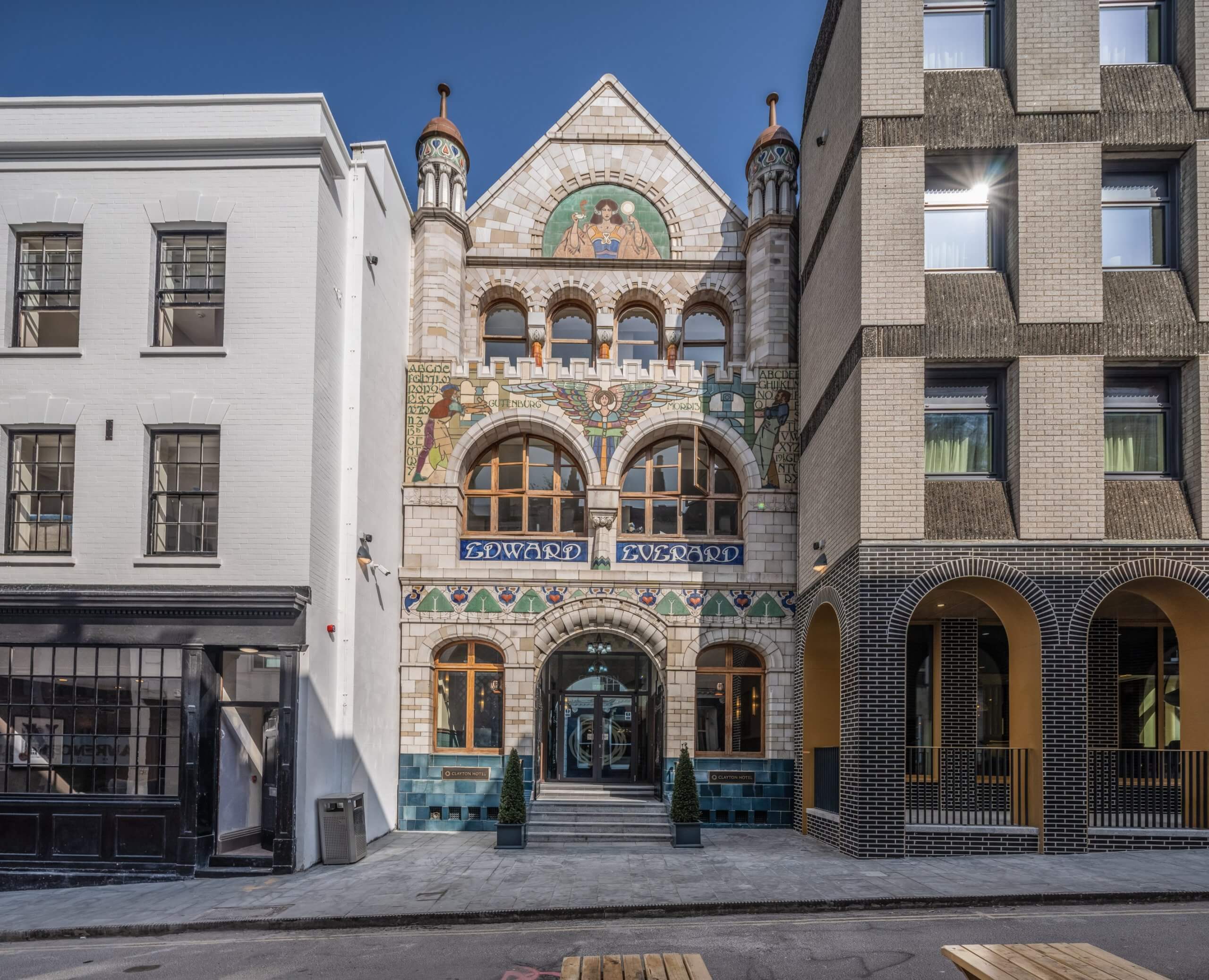
As part of a mixed-use redevelopment of the iconic Everards Printworks in Bristol, AMA Studio was tasked with sensitively transforming a long-disused office building into a 4-star hotel.
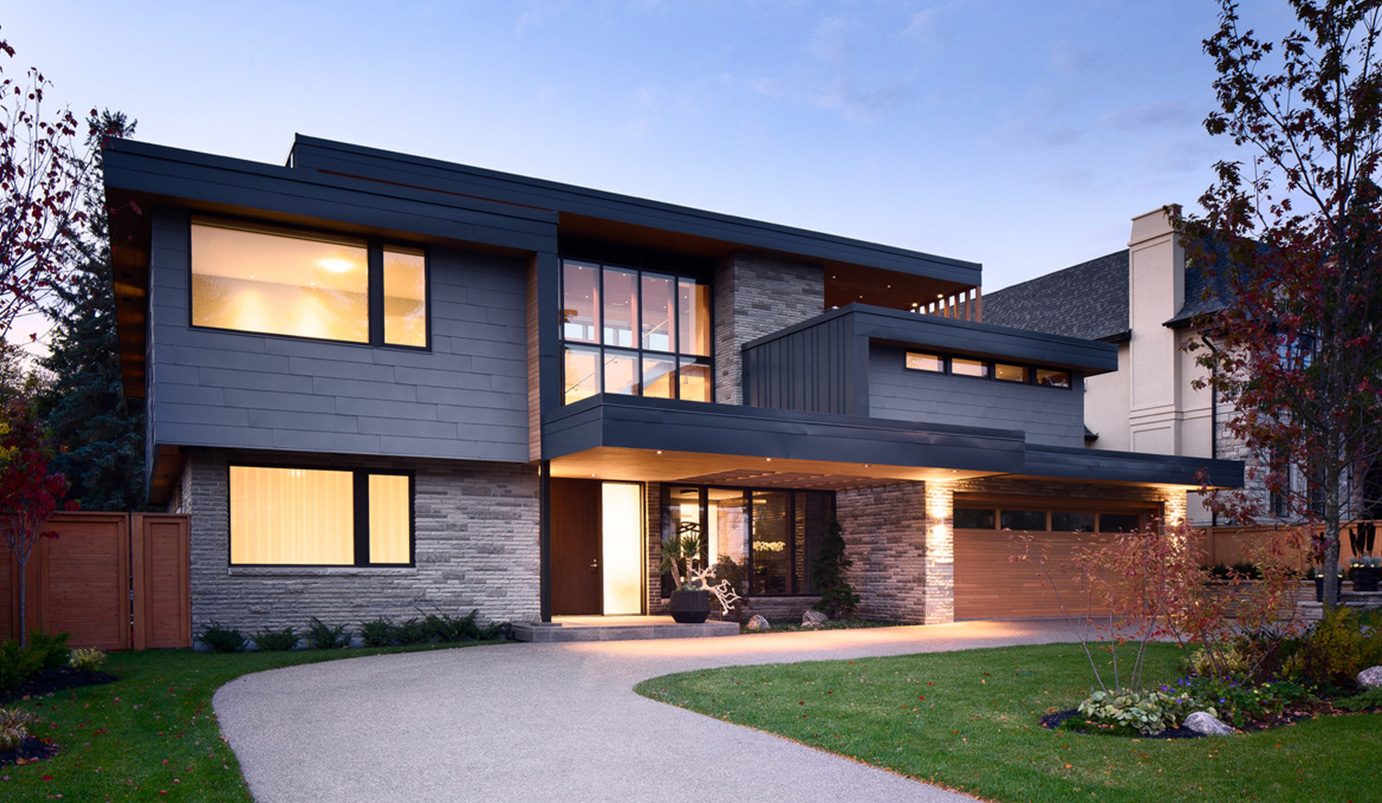
The appeal of this Toronto home has little to do with technical sophistication or a smartly ordered layout. It’s the sense you get, from your first view of the front facade to the gracious views through the expansive glass curtain walls facing the ravine, that human beings live here, and enjoy the living.
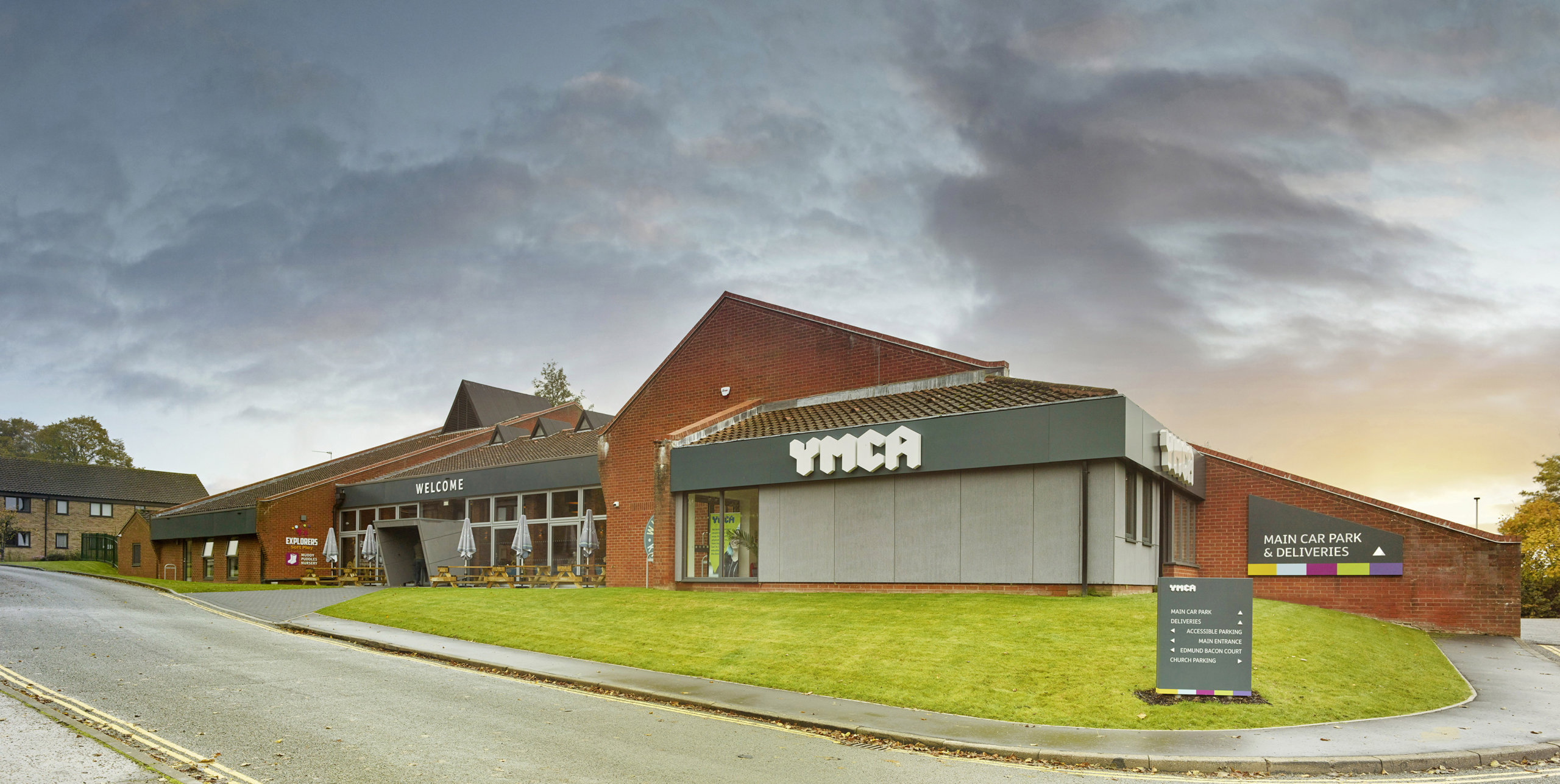
With the help of Archicad, a former Royal British Legion building has been transformed by LSI Architects into a bright and welcoming community hub for the YMCA in Norwich.
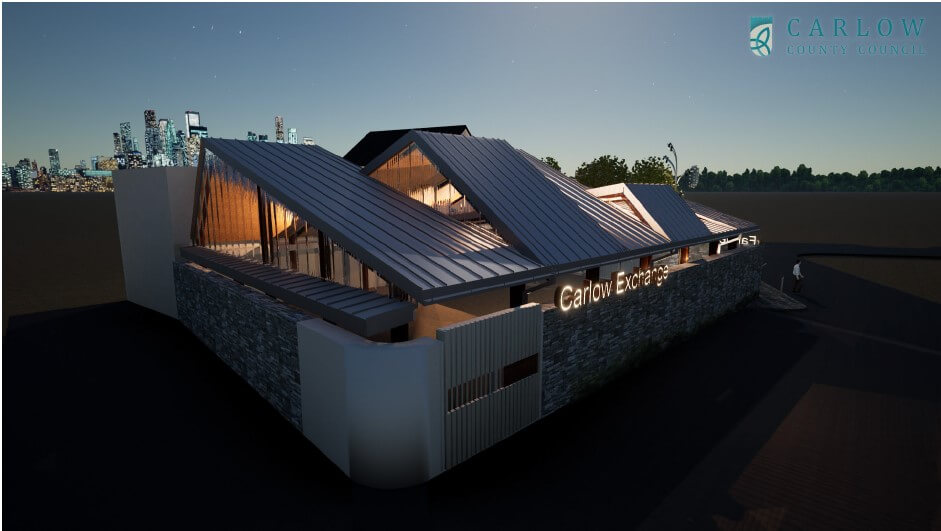
Graphisoft’s Archicad was instrumental in the design and implementation of the redevelopment of Carlow Exchange to provide a new covered outdoor space.
The Centre for Advanced Timber Technology (CATT) is a purpose-built facility designed to demonstrate advanced timber technologies and teach the next generation of engineers.
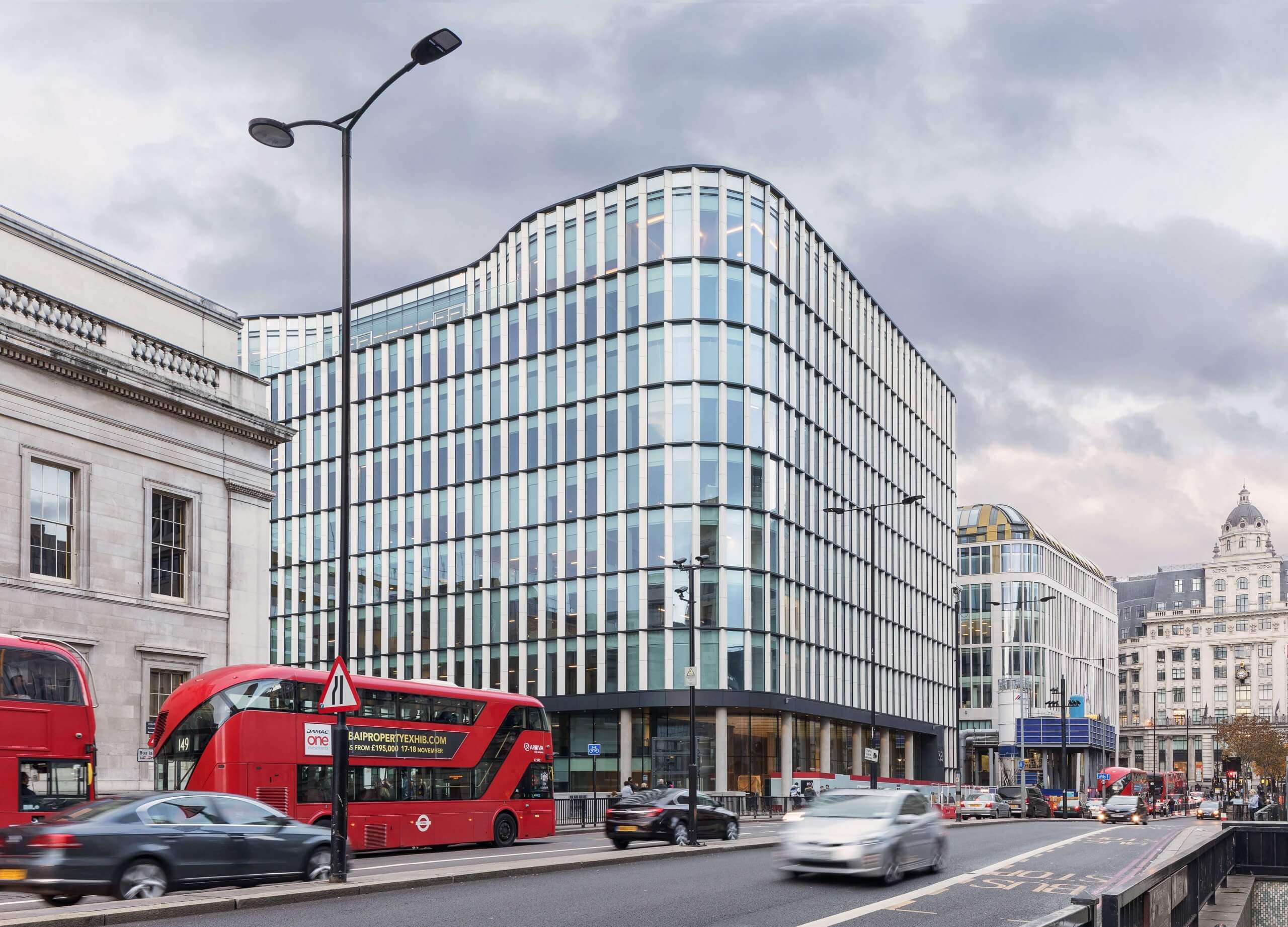
33 King William Street is a striking building topped with London’s one of largest roof gardens and achieving a BREAAM Excellent rating is a fine example of sustainable design and construction.
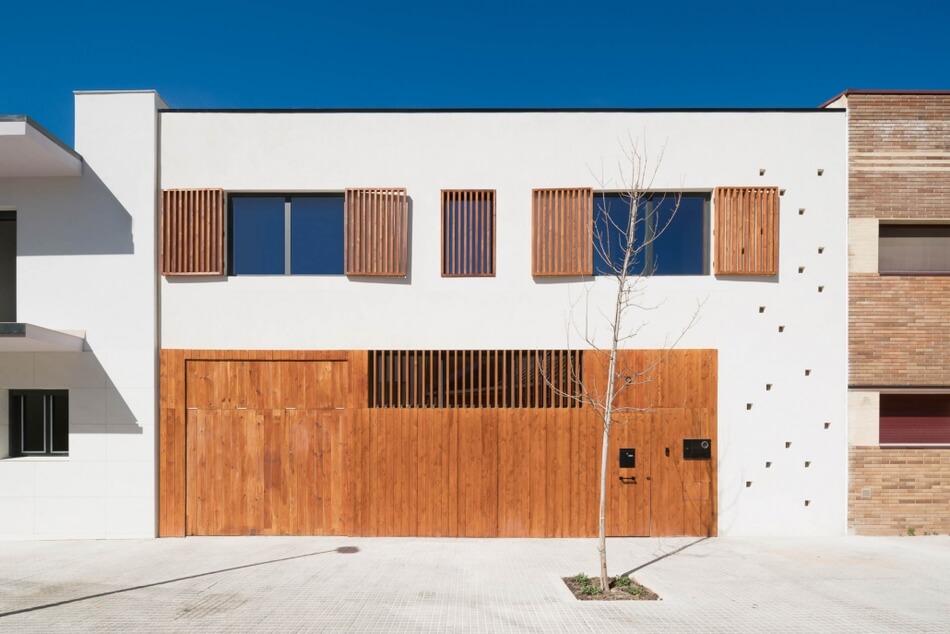
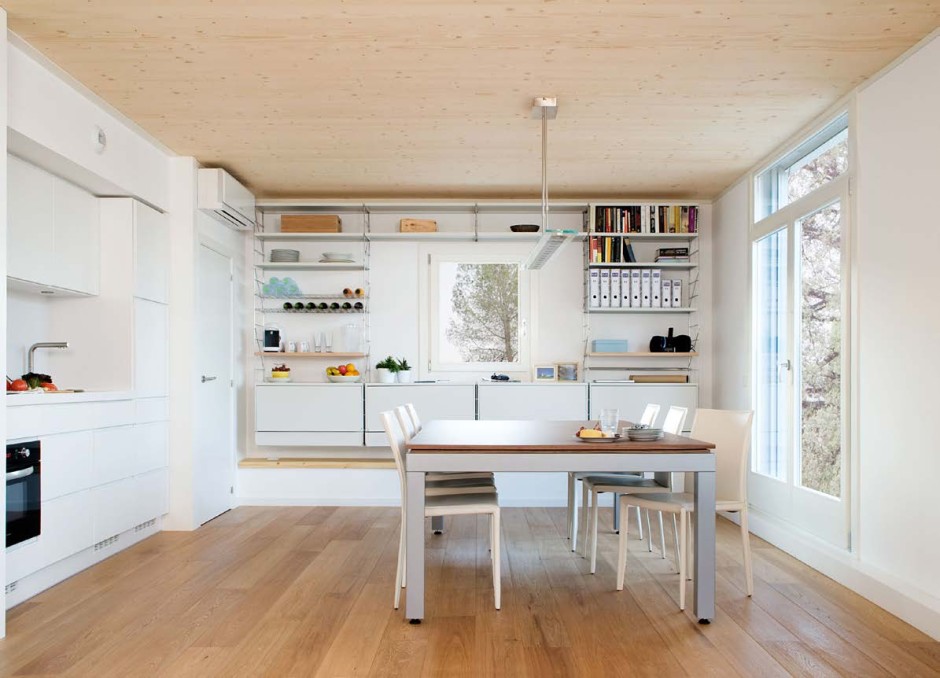
The “BD House” project in La Garriga, Spain, is the first prototype of a system of single-family homes designed byVilalta Architects to be built with environmental and economic sustainability as a priority.
For years, the owners of this house dreamed of a small shelter in the area of Serra Espadà (Castellón – Spain). One day they decided to build their dream house using a prefab wood modular system to make the process quick and clean, and to maximize energy efficiency and comfort. One of the owners, a technology lover, was passionate about the idea of building a passive house through a 100% digital process to ensure a flexible construction that could be transformed over time if necessary. Today, he is the owner of the house that he dreamed of, his “refuge.”