 United States site instead?

The design performance layer that turns your model into live cost, carbon, and weight intelligence, helping teams make better decisions before it’s built.
 Archicad 26-29
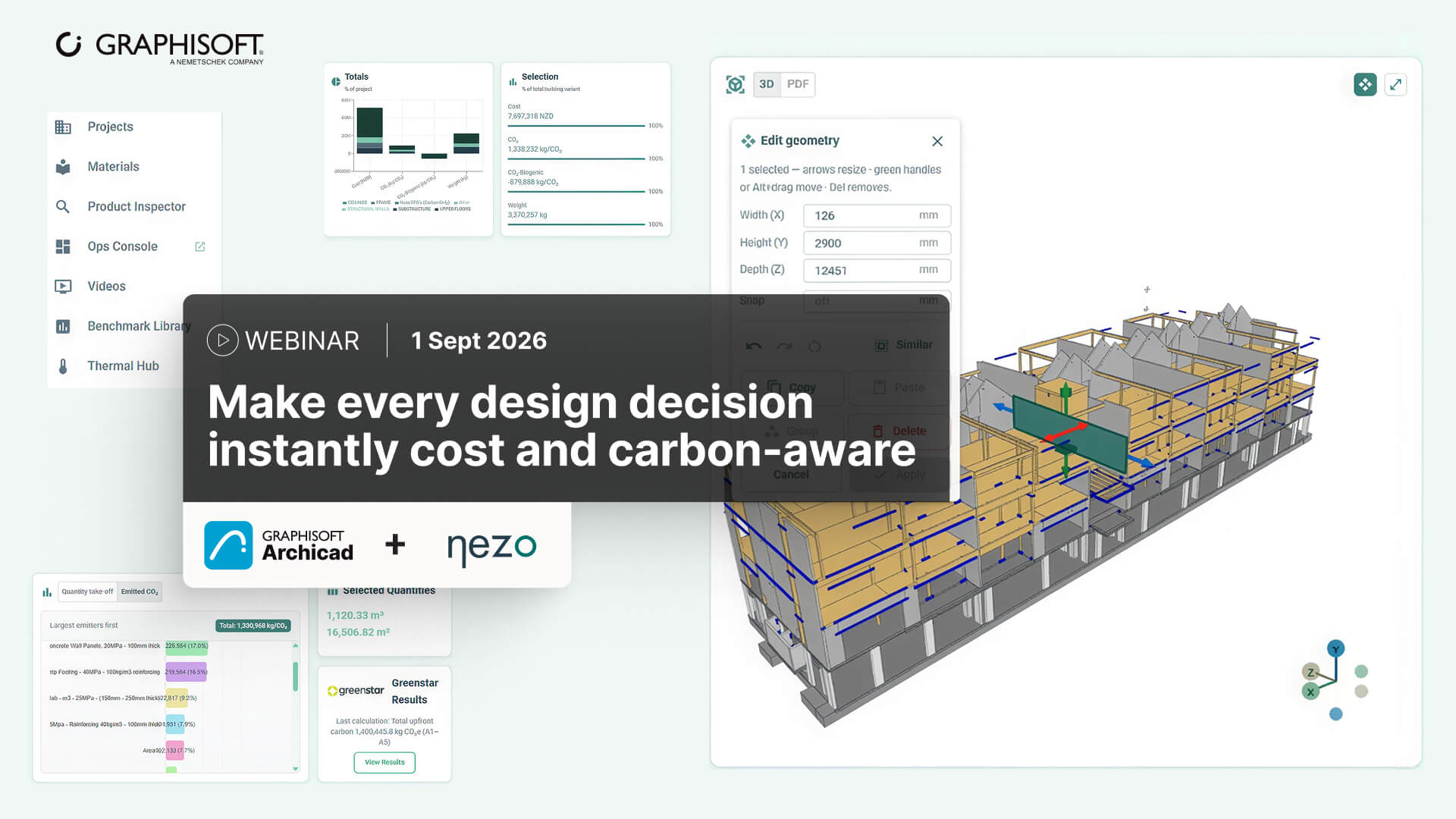
Make every design decision instantly cost and carbon-aware - Watch on Demand Webinar
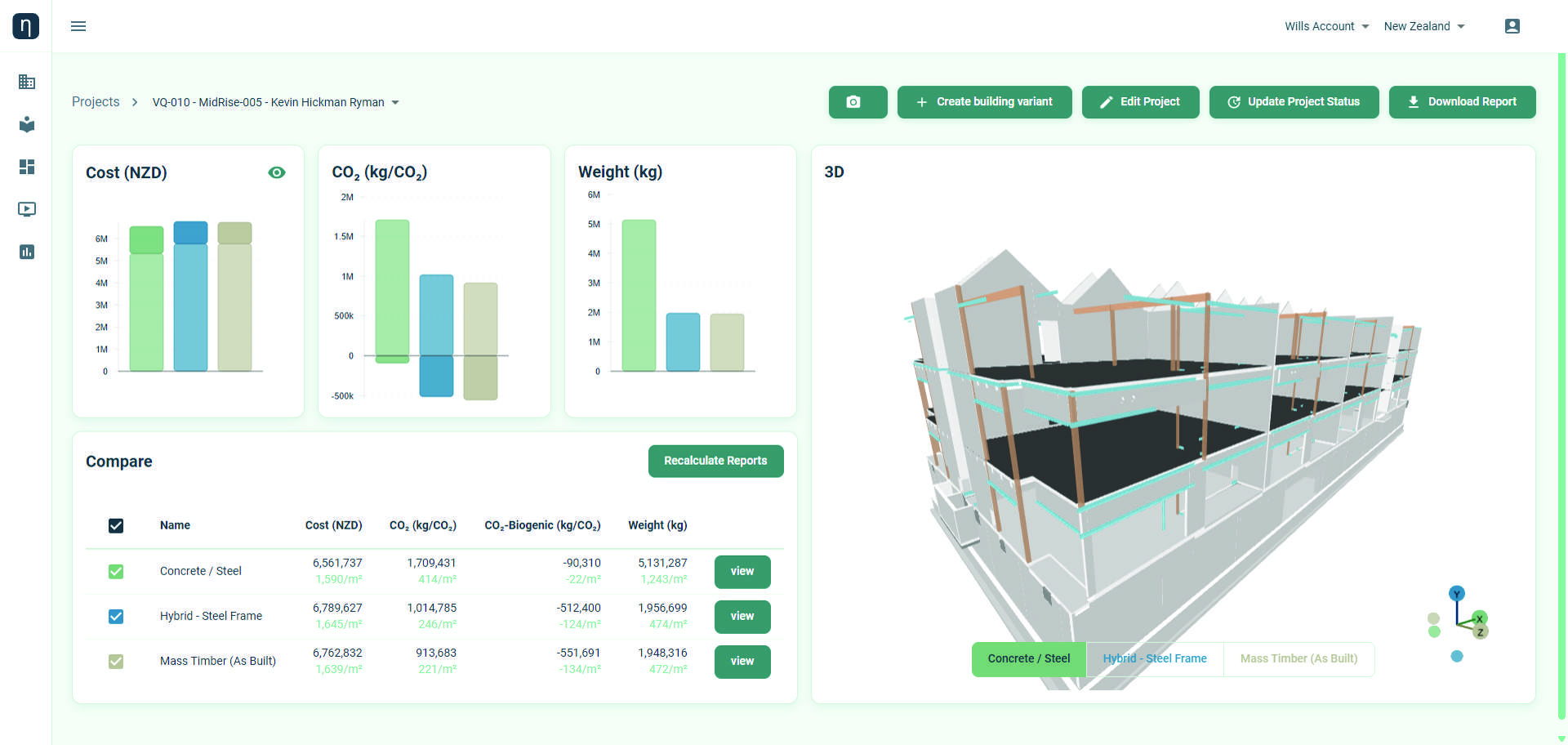
Project Dashboard
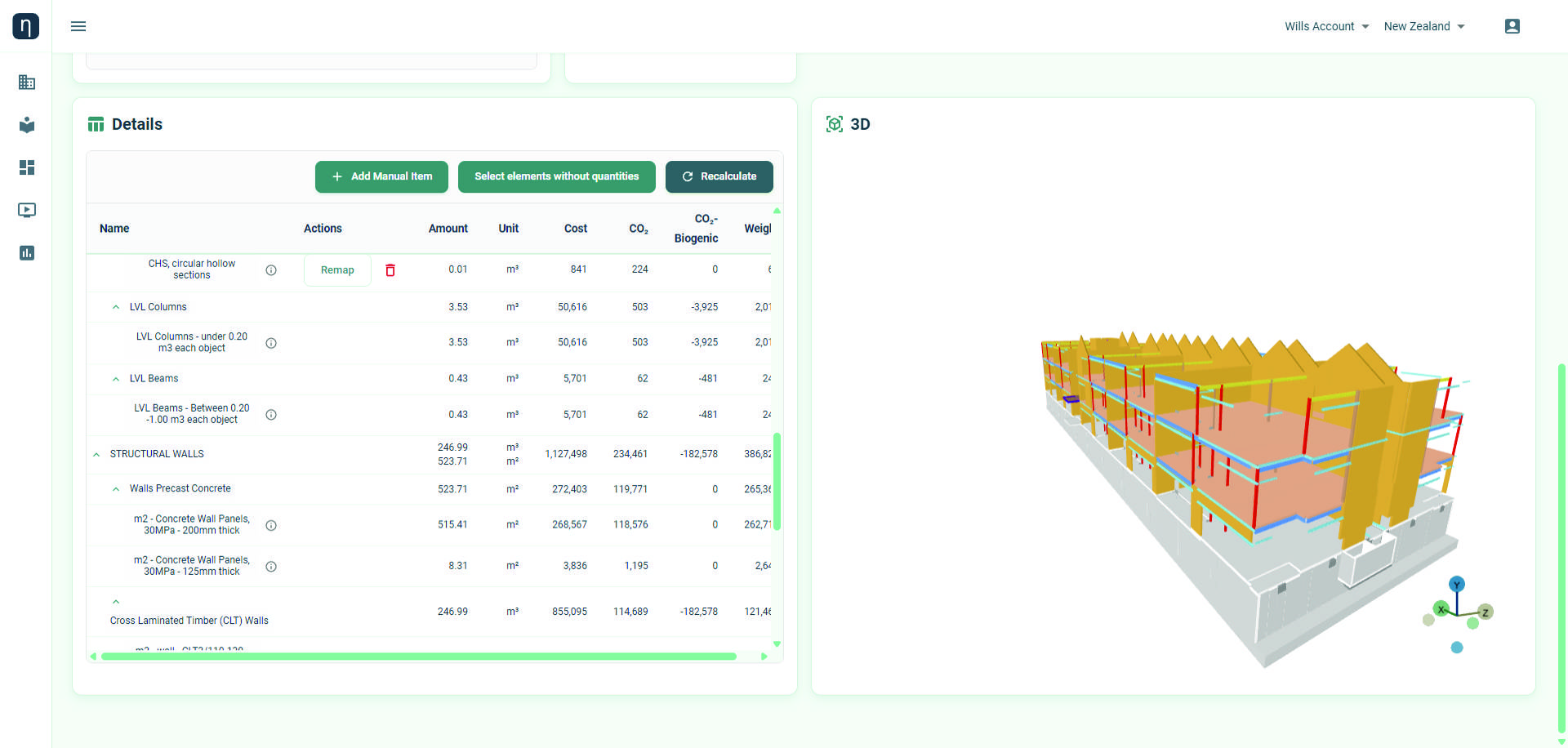
Variant Detail
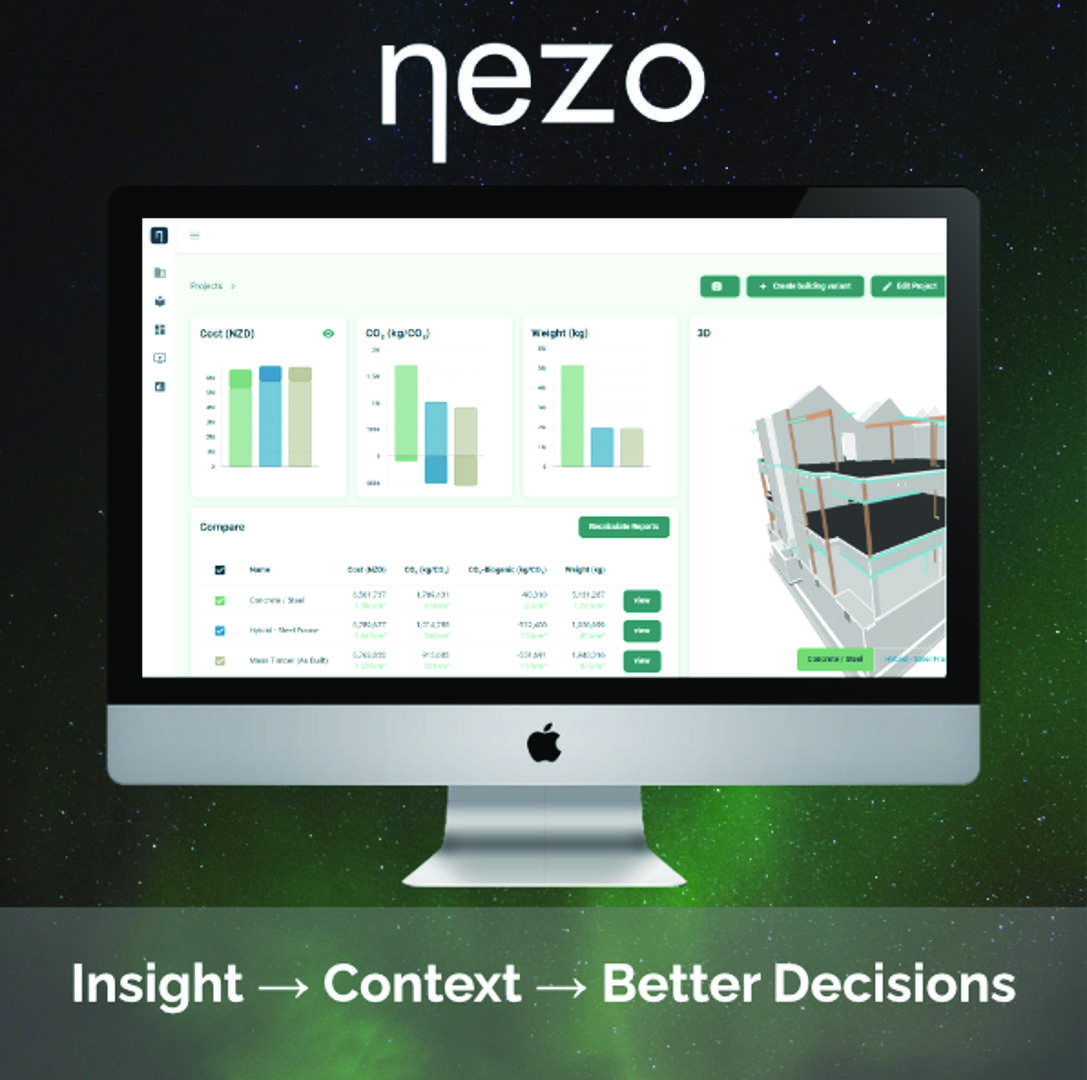
Visualization
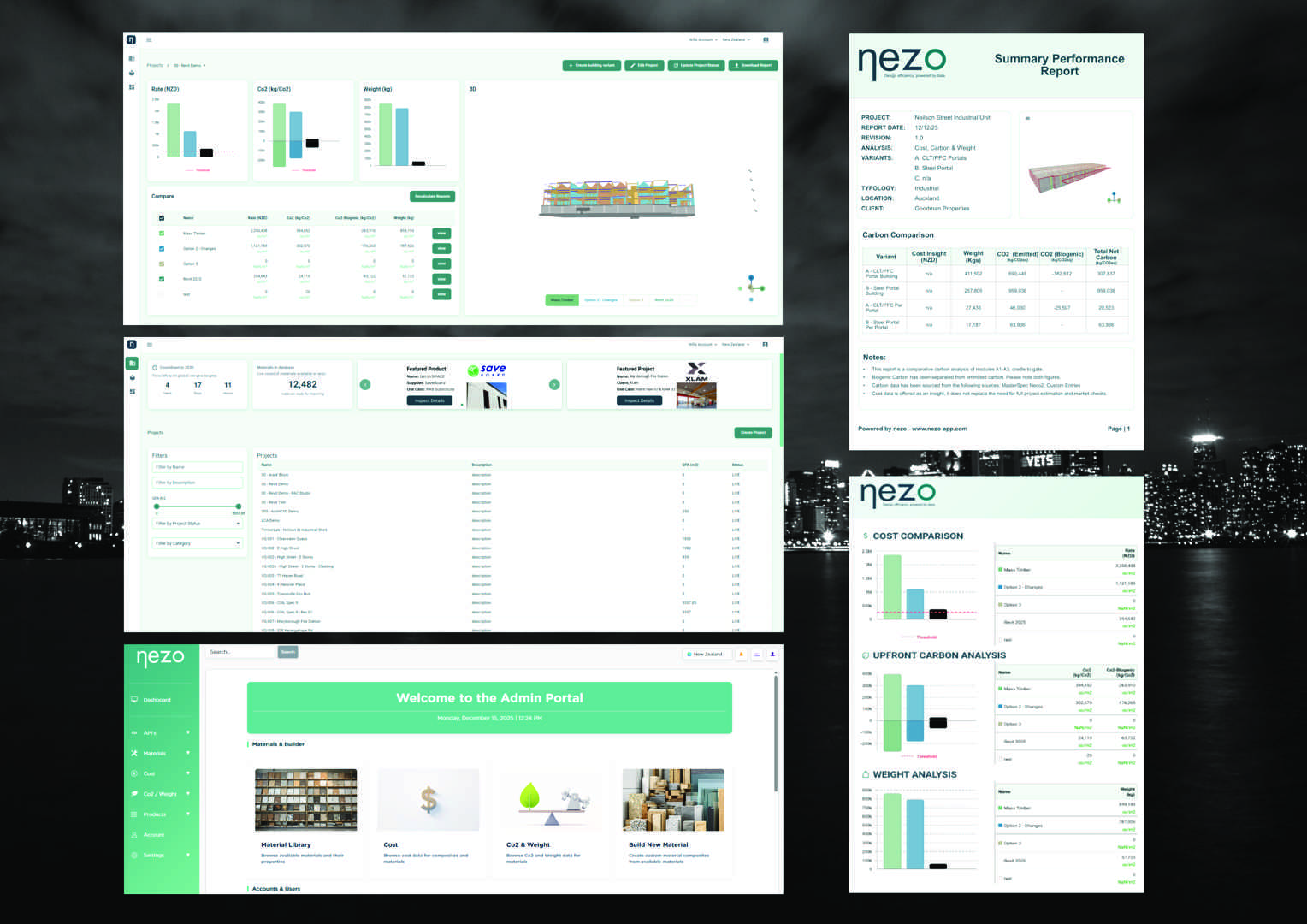
Report Export
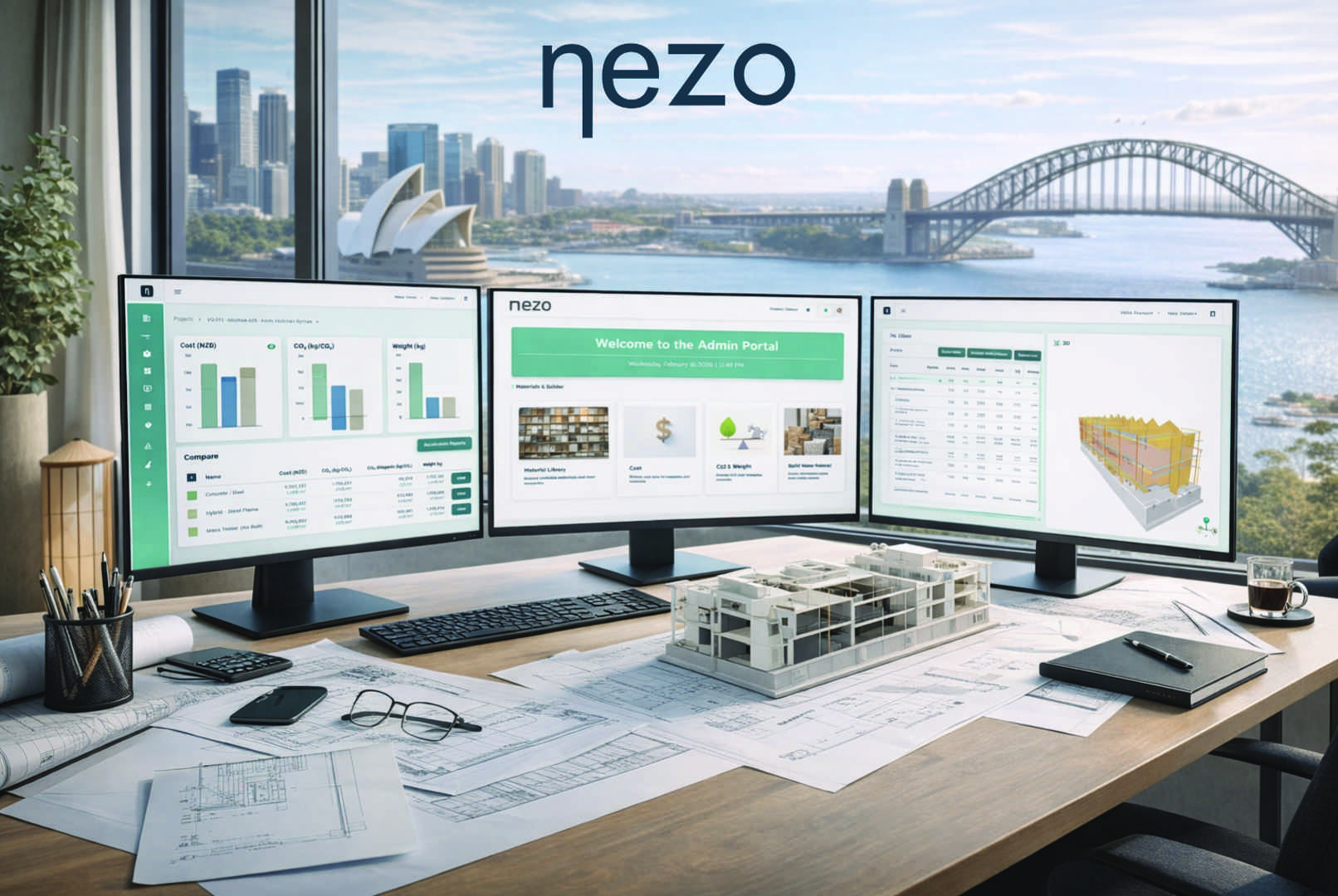
Visualization
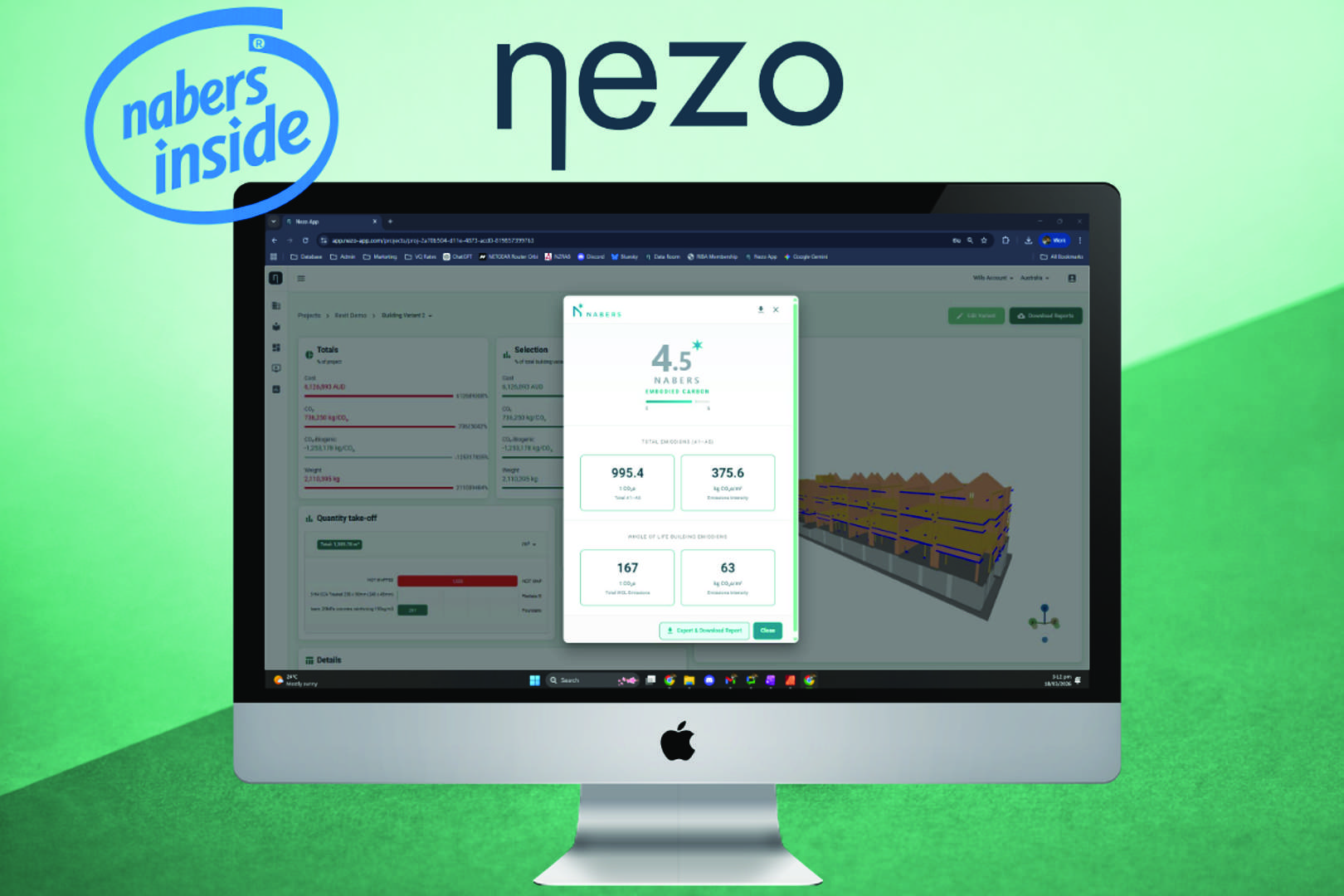
Compliance Pathway

Nezo - Archicad Tutorial
Nezo Overview

Description
Nezo is a design analytics platform that embeds cost, carbon and weight data directly into the design process. It removes the friction of disconnected tools, manual data handling and late-stage analysis by giving teams clear, real-time insight into the impact of their decisions. The result is faster decisions, reduced risk and less time lost to rework and compliance.
Overview
Most carbon and cost analysis workflows are fragmented. Data is hard to find, difficult to structure, and often forced into spreadsheets that don’t reflect how designers actually work. Nezo replaces this with a connected system where performance data sits alongside the design process. Users can measure, compare and refine their decisions continuously, rather than treating analysis as a separate task.
Key Capabilities
Nezo provides a comprehensive and adaptable materials database that aligns with real-world design workflows. Users can build and customise material systems, create new entries, and maintain structured datasets across projects. The platform enables rapid comparison of alternative materials and methodologies, helping teams understand trade-offs instantly. It also automates embodied carbon calculations (A1–A5 and beyond) at any stage of design and generates compliance-ready outputs aligned with regional frameworks. This removes the need for manual data cleaning, reformatting and repeated calculations.
Who It's For
Nezo is designed for architects, engineers, BIM Managers and design-build teams working across all project types and scales. It is particularly valuable for practices looking to improve design efficiency, reduce reliance on manual processes, and respond to increasing client and regulatory pressure around cost and carbon performance.
Typical Workflows
Nezo is used from the earliest concept stages through to detailed design and reporting. Teams can test multiple design options quickly, understanding the cost, carbon and weight implications in real time. As designs evolve, the platform keeps data structured and up to date, avoiding the need to rebuild calculations. At any point, users can generate automated LCA outputs and compliance-ready reports, significantly reducing the time and effort required to prepare submissions and communicate outcomes.
Details
Archicad 26-27

Nodu Bridge
Turn Archicad elements into native Revit elements, without IFC or manual rebuilding.

identify
Automates the assignment of IDs and descriptions to element types in a single interface, easier and faster.

quantify
Links project elements to items in bill of quantities, automatically calculates their quantities and generates BOQ in Archicad.

BIMcollab
Connect Archicad to a shared BIM coordination workflow across models, documents, issues, and teams.

Image to GDL
Generate editable GDL objects from product images and place them directly into your Archicad projects.

PAZ-BOX
Automate repetitive Archicad tasks across design and execution phases, saving architects hours every week.