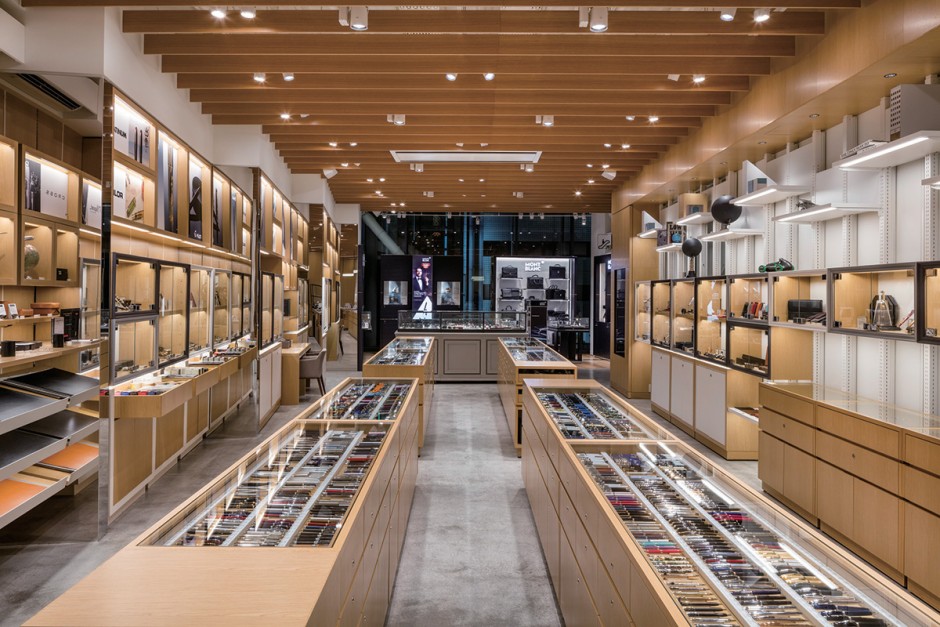
Ikeda architectural design is led by architect Yoichiro Ikeda. The firm is specialized in façade and interior design, and has vast experience in commercial projects. In 2015, Mr. Ikeda launched a full-scale BIM operation and implemented Archicad. We interviewed Mr. Ikeda and Mr. Yokoyama on their latest renovation project, “Itoya”, one of the largest stationary stores in Japan, and how they applied BIM in the interior design development.
BESSARDs’ Studio takes pride in being a small studio, since it allows them to control
the entire architectural process. BIM generates a crucial overview for the holistic approach of this
architectural firm.
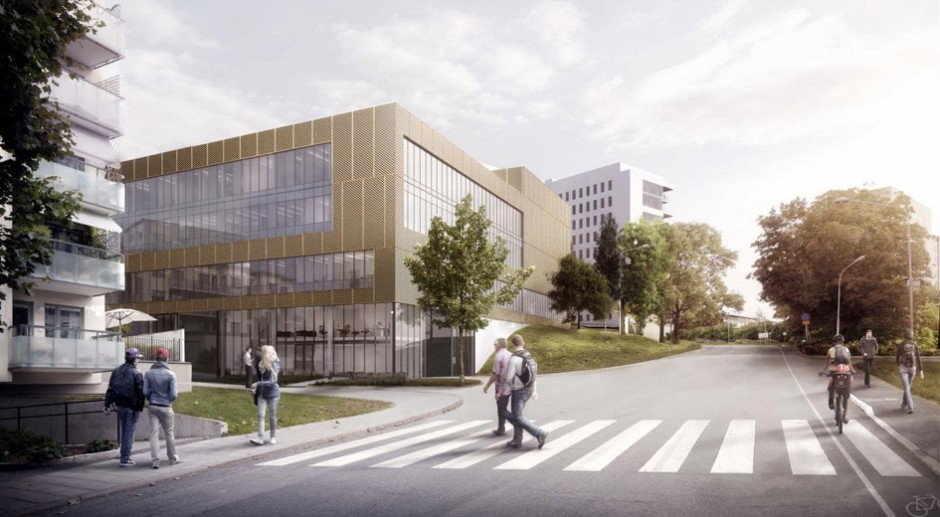
Image credits: Linn Areno / Archivisuals / Brick Visual About LINK arkitektur LINK arkitektur is one of the leading architect firms in Scandinavia, in terms of turnover, the number of employees and the number of projects completed annually. As a business model and philosophy, LINK has chosen to allow their 15 offices with approximately 450 employees […]
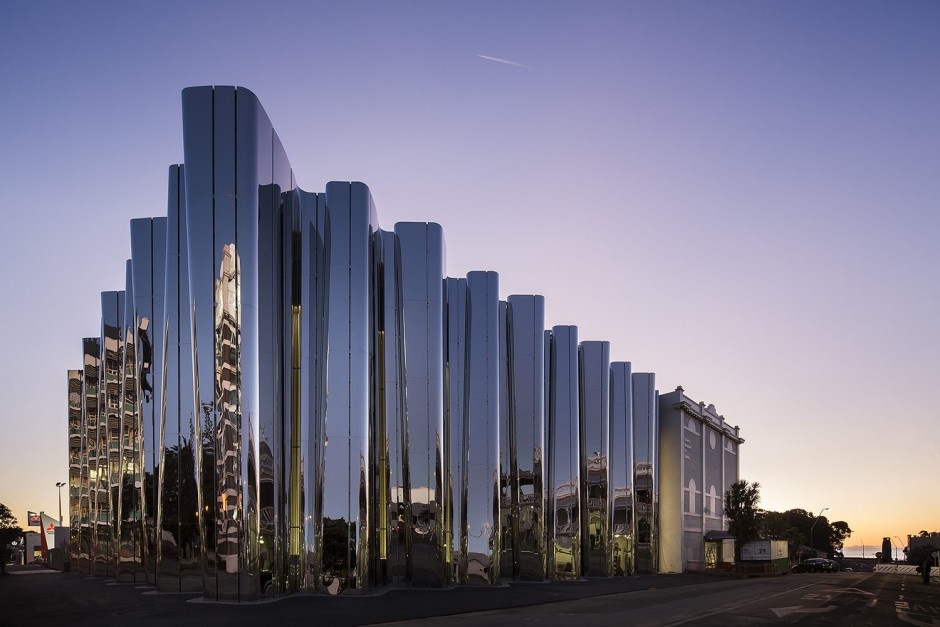
Archicad 20’s shimmering signature building, the Len Lye Centre, is New Zealand’s only single artist museum. Its design is deeply influenced by the life, ideas, writings and work of the famous New Zealand Kinetic Artist, Len Lye (1901–1980).
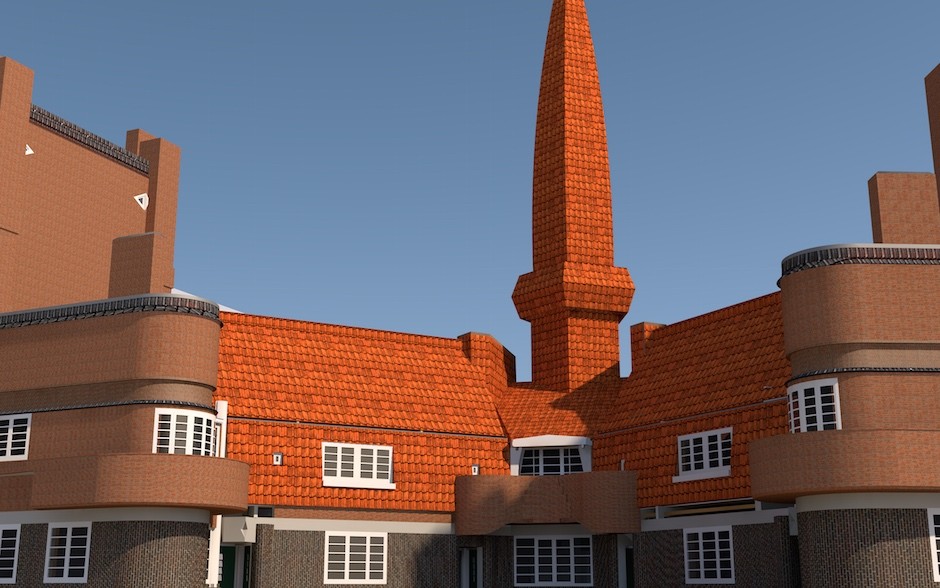
Learn how a nearly 100-year old residential building was renovated using Archicad, giving new life to a historic monument in downtown Amsterdam.
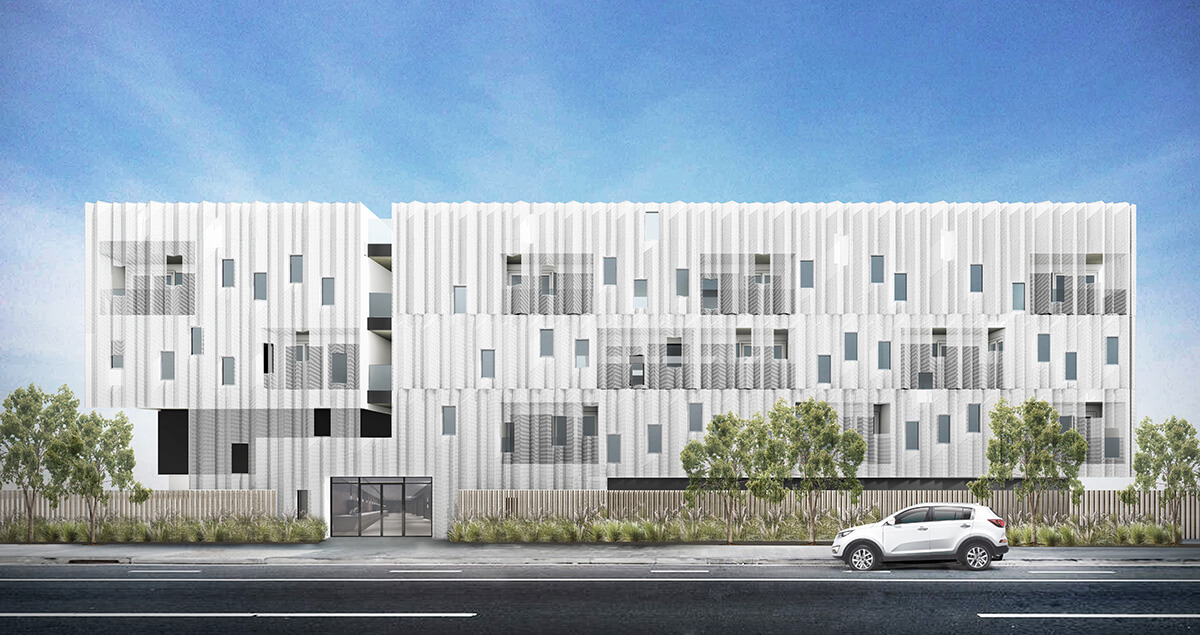
Whether designing modern interiors, homes or the landscaping that surrounds them, Hawthorne, CA-based Laney LA Inc relies on Archicad to support and grow its business in a variety of ways.
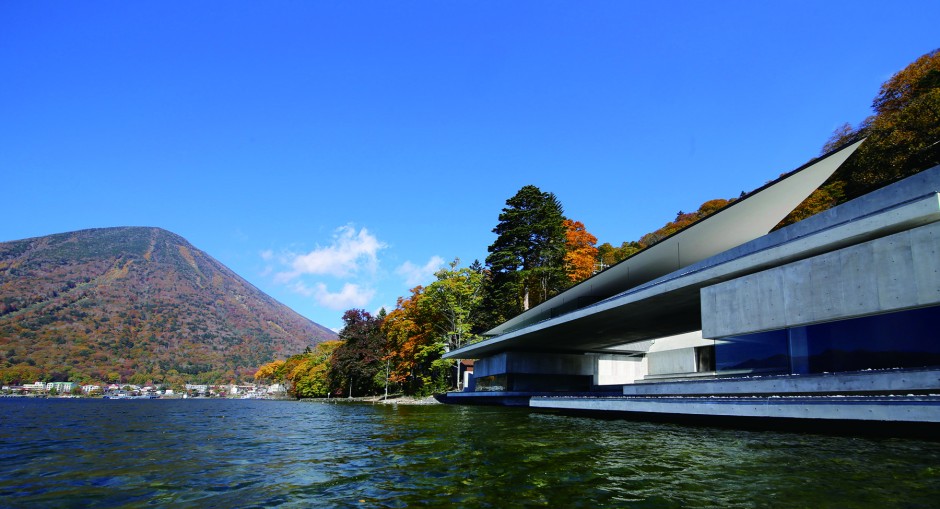
With over 2,500 employees and projects in 40 countries, Nikken Sekkei is among the largest and most successful architectural design firms in the world. We recently sat down with Tomohiko Yamanashi, Executive Officer and Deputy Head of the Architectural Design Department, to discuss two of the firm’s recent, major projects, as well as the evolution of BIM.
This case study presents an interview with Nikken Sekkei’s Senior Executive Officer and Deputy Head of Architectural Design Department, Tomohiko Yamanashi and features the firm’s two recent major projects; “On the water” and “Passenger Terminal Building No. 3 Narita International Airport”.
Background
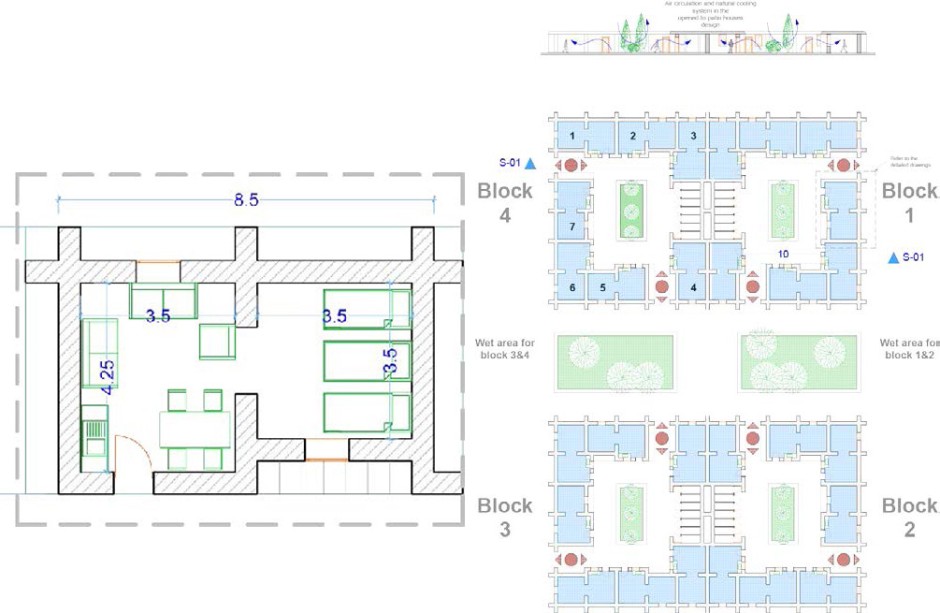
The United Nations High Commissioner for Refugees (UNHCR) has launched a test project for temporary shelters made from bags filled with earth in Syria. The architect, Anas Aljbain, is using Archicad to develop the designs.
OPEN BIM helps the development of this gigantic mixed use project in Helsinki, Finland. Tripla will be a bold, three-block urban entity connecting East and West Pasila, which had been separated by an old railway yard. The overall design will comprise offices, a shopping mall and congress center, housing, a hotel, a multi-purpose arena and public transportation terminal. The development is committed to continuing the sustainable expansion of the Helsinki city center, while creating a new, diverse backdrop for Helsinki urban life.
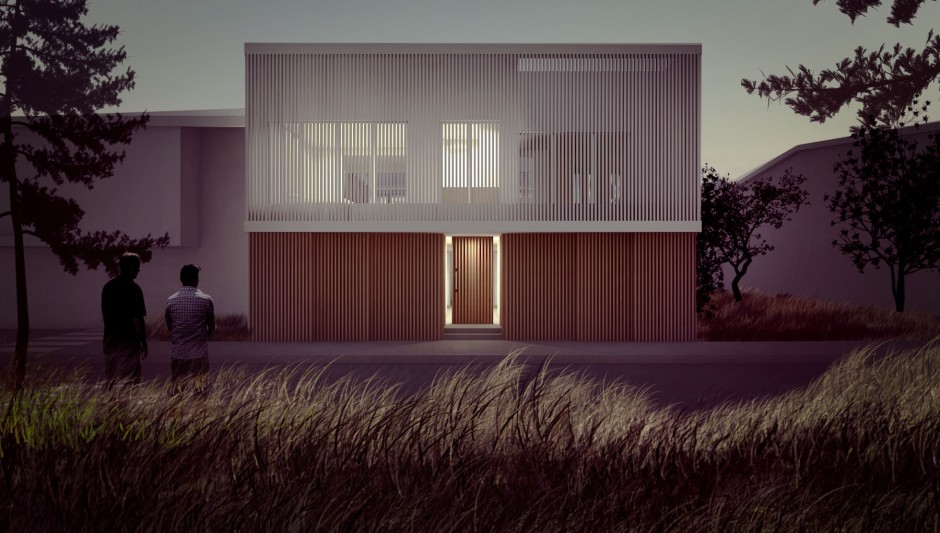
Located in Hong Kong, the architects at Enzyme used Archicad to design a unique residence in Java, Indonesia starting with the concept phase. According to the architects, using a design process that involves BIM achieves the best result with a better use of time and resources in a much more accurate way.
A uniquely constructed, large scale timber structure wins the JIA (Japan Institute of Architects) grand-prix award.
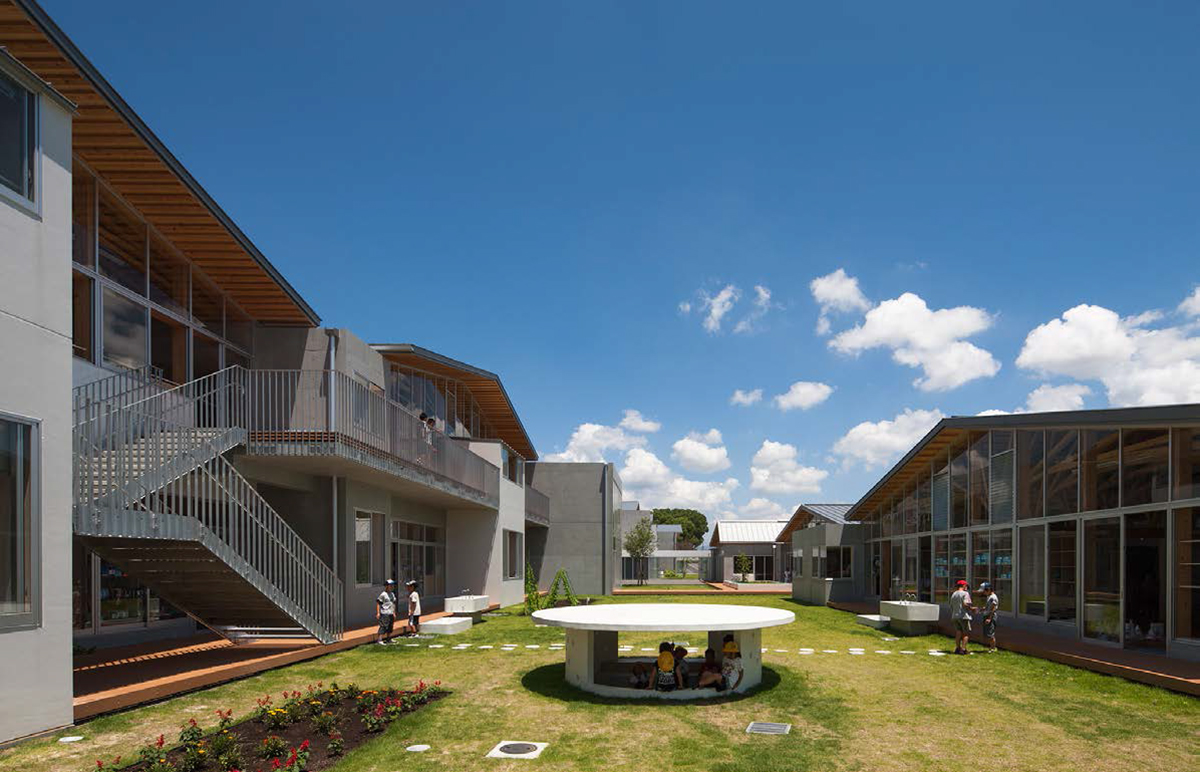
In 2014, the JIA Japan architectural award went to Yamaga City Yamaga Elementary school designed by Coelacanth K&H. Even for the architectural firm, which has received many prestigious awards and is a leading figure of the atelier architectural firms of Japan, this particular project was difficult and challenging. The supporting tools behind the creative work of the firm members, Kazumi Kudo and Hiroshi Horiba, the main architects, and other staff were Archicad and BIMx. We interviewed the architects, Kudo and Horiba, about this project.
Background
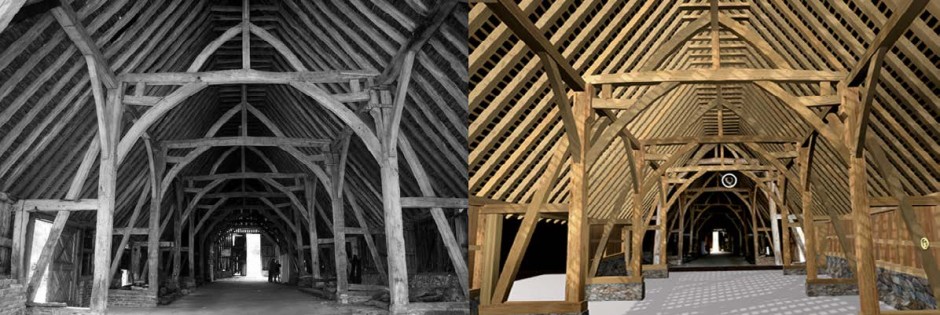
Funded by the European Commission, the ‘Traditional Wooden Constructions of Europe – TRAWCOE’ (2013-2015) Leonardo Learning Partnership project set out to develop a novel educational and technical solution for vocational education and training in the realm of Traditional Timber Building. The project was initiated and coordinated by EK Association (Budapest, Hungary) and brought together a broad partnership comprised of construction trade representatives, architectural practices, timber processing companies, vocational schools offering carpentry and architectural training and not-for-profit organizations active in the field of preservation of historic monuments and traditional crafts. The participants of the international partnership represented seven European countries: France, Hungary, Italy, Latvia, Romania, Spain and the United Kingdom.
 United States site instead?